


Part of our Family Life & Culture in Tokyo guide. Last reviewed: October 2026.
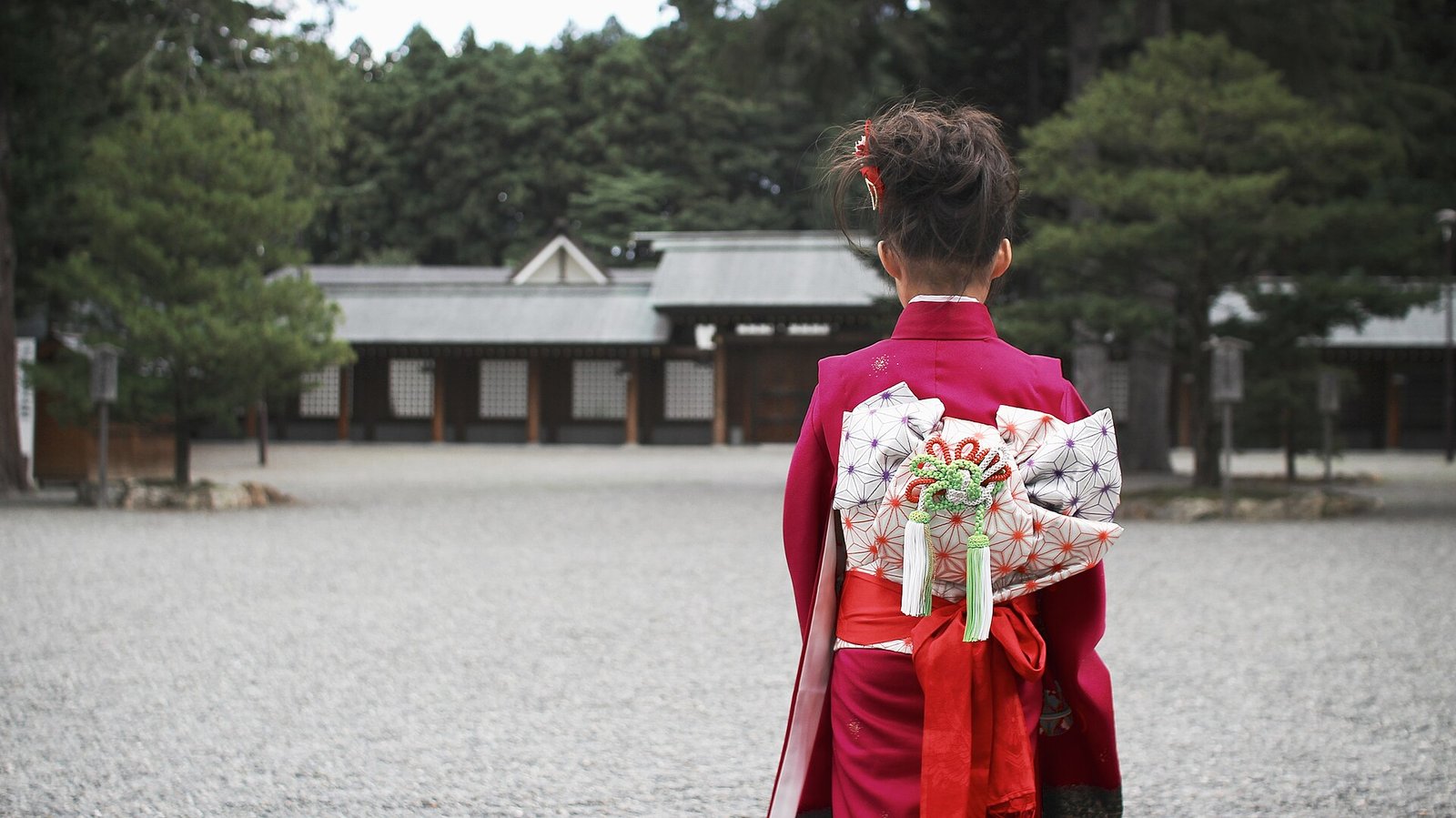
Every autumn, Tokyo’s shrines fill with small children in kimono and hakama, clutching long bags of candy. This is Shichi-Go-San (七五三, “seven-five-three”), a celebration of children’s growth and health at specific ages. It’s one of the most welcoming Japanese traditions for international families: you don’t need to be Japanese or religious to take part, and many families simply do the parts they enjoy. Here’s how to plan it.
What Shichi-Go-San celebrates
Families give thanks for their children’s healthy growth so far and pray for their future, traditionally on or around November 15. The ages come from old rites of passage:
- Age 3 (girls, and boys in many areas): historically, the age children began growing their hair long.
- Age 5 (boys): the age boys first wore hakama.
- Age 7 (girls): the age girls began wearing a proper obi (sash) instead of ties.
Families choose between traditional counting (kazoe-doshi, where a child is counted as one at birth) and actual age. Both are common now; many families simply pick the year that suits them, siblings’ ages, or the child’s temperament.
When to go
November 15 isn’t a public holiday, so most families visit on a weekend in October or November. Weekends in early to mid-November are the busiest. If you can, go:
- On a weekday, or early in the morning on a weekend
- In late October or late November, outside the peak
- To a smaller local shrine rather than the most famous ones, which can be extremely crowded
The three parts of the day
A typical Shichi-Go-San has up to three parts. You can do all of them, or just one.
1. The shrine visit (omairi)
At minimum, families visit a shrine, pray and take photos. Many shrines also offer a formal prayer ceremony (祈祷, kitō) for the child, for which you pay a set offering fee and usually receive charms and gifts. Check the shrine’s website for its Shichi-Go-San prayer times, fees and whether you need to book.
2. Clothes
- Three-year-old girls: a kimono with a padded sleeveless vest (hifu) over it — more comfortable for small children than a full obi.
- Five-year-old boys: kimono with hakama (pleated trousers) and haori jacket.
- Seven-year-old girls: a full kimono with an obi.
- Not required: plenty of families wear smart Western clothes, especially to the shrine.
3. Photos
Many families book a photo studio. Large chains and independent studios offer packages that include kimono rental, dressing, hair and photos — often with the option to keep the rental kimono for the shrine visit the same day.
Booking: studios and rentals
- Book early. Studio slots for October and November weekends fill up from late summer.
- Consider “mae-dori” or “ato-dori”. Many studios offer discounted photo sessions before the season (前撮り, often summer) or after it (後撮り, December onward), so the shrine visit itself can be simpler.
- Weekdays are cheaper. Studios commonly charge less on weekdays.
- Ask about English. Some studios and rental shops are used to international families; others aren’t. Ask when booking.
- Check what’s included: number of outfits, data or prints, dressing, hair, the parents’ outfits, and damage cover for rentals.
Keeping the day fun (for the child)
- Plan short. Dressing, photos, a shrine visit and lunch is a long day for a three-year-old. Many families split photos and the shrine visit across two days.
- Bring sneakers. Traditional zōri sandals are hard to walk in; change for the walk to and from the shrine.
- Plan toilet breaks before dressing, and know where the facilities are. Kimono and hakama take time.
- Pack snacks and a change of clothes.
- Chitose-ame: the traditional long “thousand-year candy”, symbolising a long life, is sold at shrines and often included with prayer ceremonies. It makes a good photo prop.
Combining traditions
For bicultural families, Shichi-Go-San can be a meaningful way to connect a child with their Japanese heritage — or simply to mark a milestone in the country where they’re growing up. Many families combine it with a family meal, a call with grandparents abroad, or a printed photo book. Our guide to raising bicultural kids in Tokyo has more ideas for celebrating both cultures, and our seasonal festivals guide covers the rest of the year.
FAQ
Do we have to be Shinto or Japanese to take part?
No. Shrines welcome families of all backgrounds, and many international families take part every year.
Is it OK to celebrate a year late or early?
Yes. Families commonly choose either traditional or actual age, and siblings are often celebrated together.
Do we need to buy a kimono?
No. Rental is the norm, and many families wear smart Western clothes instead.
Further reading
- Tokyo Metropolitan Government tourism site — GO TOKYO (shrines and seasonal events)
Shrine fees, prayer times and booking rules vary — check with each shrine. See our editorial policy.
Featured image: A Japanese girl wearing kimono for Shichi-go-san; September 2015 by MIKI Yoshihito, licensed under CC BY 2.0, via Wikimedia Commons.