

Part of our Family Life & Culture in Tokyo guide. Last reviewed: October 2026.
Raising a bilingual, bicultural child in Tokyo takes a deliberate strategy — it doesn’t happen automatically just because two languages are present in a child’s life. In Tokyo, Japanese tends to win by default: it’s the language of daycare, school, friends, shops and TV. This guide covers what research says about how children become bilingual, the strategies families actually use, how schooling choices affect language, and how identity fits in.
What the research says: exposure matters most
The best-known finding in this area is simple: children learn more of the language they hear more. In a widely cited study of bilingual infants learning Spanish and English in Miami, Barbara Zurer Pearson and colleagues found a strong relationship between how much exposure a child had to each language and the size of their vocabulary in it. Later work by Pearson estimated that roughly a quarter of children growing up in potentially bilingual environments don’t end up actively speaking both languages — and pointed to the amount of input as the biggest single factor, alongside the language’s status and the family’s attitudes toward it.
The practical takeaway: a minority language needs a substantial, consistent share of a child’s daily life. An hour of class once a week isn’t enough on its own. The language needs to show up in everyday conversation, books, play and relationships.
Pick a language strategy and stick to it
Three approaches show up consistently among international families in Japan:
- One Parent, One Language (OPOL): each parent consistently speaks their own language with the child, so the child associates each language with a person. Popular in mixed Japanese/non-Japanese households.
- Minority Language at Home (ML@H): both parents speak the non-Japanese language at home, relying on daycare, school and the community to supply Japanese. Often the strongest option for maintaining the home language, if both parents speak it.
- Time and place: one language at certain times or places (weekends, dinner, a particular activity). Harder to sustain, but useful as a supplement.
None is objectively best — what matters more is picking one, being consistent, and adjusting if it isn’t working. Children notice inconsistency quickly and will default to whichever language takes less effort.
Make it interactive, not academic
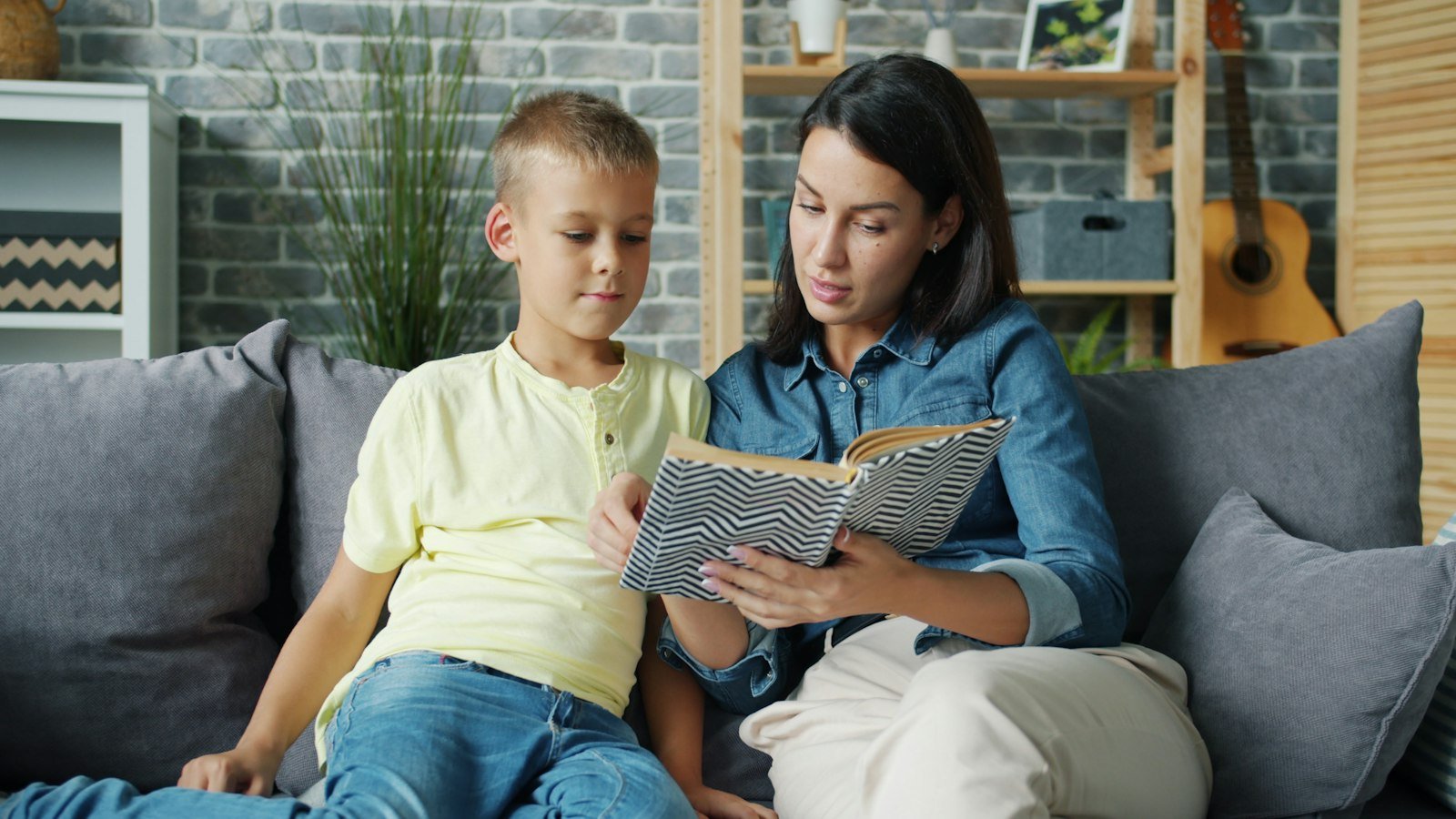
Children build language through back-and-forth interaction — conversation, songs, reading together, play — rather than through drills. If you’re the minority-language parent, the highest-leverage thing you can do isn’t finding a workbook; it’s talking, asking open questions, reading together daily, and responding in your language even when your child answers in Japanese.
- Read aloud every day, and keep a good supply of books in the home language (libraries, second-hand book swaps and e-books help).
- Choose media deliberately — shows and audio in the minority language count as exposure, though they’re no substitute for conversation.
- Use the home language for emotional moments — comfort, jokes, bedtime — so it’s tied to closeness, not just instructions.
How schooling choices affect language
Where your child spends six or more hours a day shapes their dominant language more than anything else:
- Japanese daycare or kindergarten and public school: children typically become fluent in Japanese fast, and the home language needs active protection. Literacy in the home language usually needs deliberate effort at home or in weekend classes.
- International school: English (or another language) becomes dominant, and Japanese may need support — especially reading and writing, since kanji literacy takes years of steady study.
- Weekend and supplementary schools: many language communities in Tokyo run Saturday schools or classes. They’re valuable less for the hours of teaching than for giving kids friends who share the language.
There’s no single right answer. Think about which language your child will need most in the long run, how long you expect to stay in Japan, and which language will need extra support at home.
Build a real-world network, not just home exposure
Language exposure that only happens inside your own four walls is fragile. Inviting friends who speak the target language over, joining a playgroup, or connecting with other bicultural families gives kids a reason to use a language outside the parent-child relationship. Regular video calls with grandparents and, where possible, extended trips to the home country (where the language is suddenly essential) can make a big difference.
Identity: more than language
Children growing up between cultures in Tokyo often navigate questions about where they belong — being seen as foreign in Japan and as Japanese (or “from Japan”) abroad. A few things families find helpful:
- Celebrate both cultures visibly at home — holidays, food, stories, music.
- Talk openly about comments or questions from other children, and give your child words to describe their own background.
- Find peers. Knowing other kids with similar family backgrounds normalises their experience.
Language and identity tend to reinforce each other: children who are genuinely comfortable in both languages often find it easier to feel at home in both cultures.
FAQ
Will two languages confuse my child or delay their speech?
Bilingual children may mix languages or have a smaller vocabulary in each language at first, which is normal. If you have concerns about speech development, talk to your pediatrician or the ward health center.
My child answers in Japanese when I speak English. What should I do?
This is very common. Keep speaking your language, gently encourage responses in it, and increase the amount of time and number of people your child hears it from.
Is it too late to start at age 5 or 8?
No. It’s easier with early exposure, but older children can build a second language with enough consistent, meaningful input.
Sources and further reading
- Pearson, B. Z., Fernández, S. C., Lewedeg, V., & Oller, D. K. (1997). The relation of input factors to lexical learning by bilingual infants. Applied Psycholinguistics.
- Pearson, B. Z. (2007). Social factors in childhood bilingualism in the United States. Applied Psycholinguistics (PDF).
This guide is general information, not professional advice. See our editorial policy.