


Part of our guide to international schools in Tokyo. Last verified: November 2026.
What does international school accreditation mean? Accreditation is an independent check, renewed every few years, that a school meets an organisation’s standards for teaching, governance, safeguarding and resources. The main accrediting bodies for Tokyo’s international schools are WASC, CIS, NEASC, COBIS, ACSI and Cognia. Accreditation matters in Japan for a practical reason: the education ministry (MEXT) recognises graduates of a 12-year programme at a school accredited by any of these six bodies as eligible to apply to Japanese universities.
The main accrediting bodies
| Body | What it is | Typical schools |
|---|---|---|
| WASC | Western Association of Schools and Colleges: a US regional accreditor that accredits many American-style schools in Asia | American and international schools |
| CIS | Council of International Schools: a global membership organisation that also accredits international schools | International and IB schools |
| NEASC | New England Association of Schools and Colleges: a US accreditor with an international commission | International and IB schools |
| COBIS | Council of British International Schools: accreditation and compliance for British schools overseas | British-curriculum schools |
| ACSI | Association of Christian Schools International | Christian schools |
| Cognia | A US-based accreditor (formerly AdvancED) | Various |
Which Tokyo schools hold which accreditation
| School | Accreditation listed |
|---|---|
| American School in Japan | WASC |
| Nishimachi International School | WASC, CIS |
| St. Mary’s International School | WASC, CIS |
| International School of the Sacred Heart | WASC, CIS |
| Shinagawa International School | WASC, CIS |
| The British School in Tokyo | WASC, COBIS (plus CIS membership) |
| Seisen International School | CIS, NEASC |
| Aoba-Japan International School | CIS, NEASC |
| New International School of Japan | CIS, MSA-CESS |
| Christian Academy in Japan | WASC, ACSI |
| Tokyo YMCA International School | WASC |
| Canadian International School Tokyo | WASC; teachers licensed by Prince Edward Island |
| Tokyo West International School | Cognia (plus CIS membership) |
| Waseda International Christian School-Tokyo | ACSI |
| Tokyo International School | IB World School; CIS membership listed |
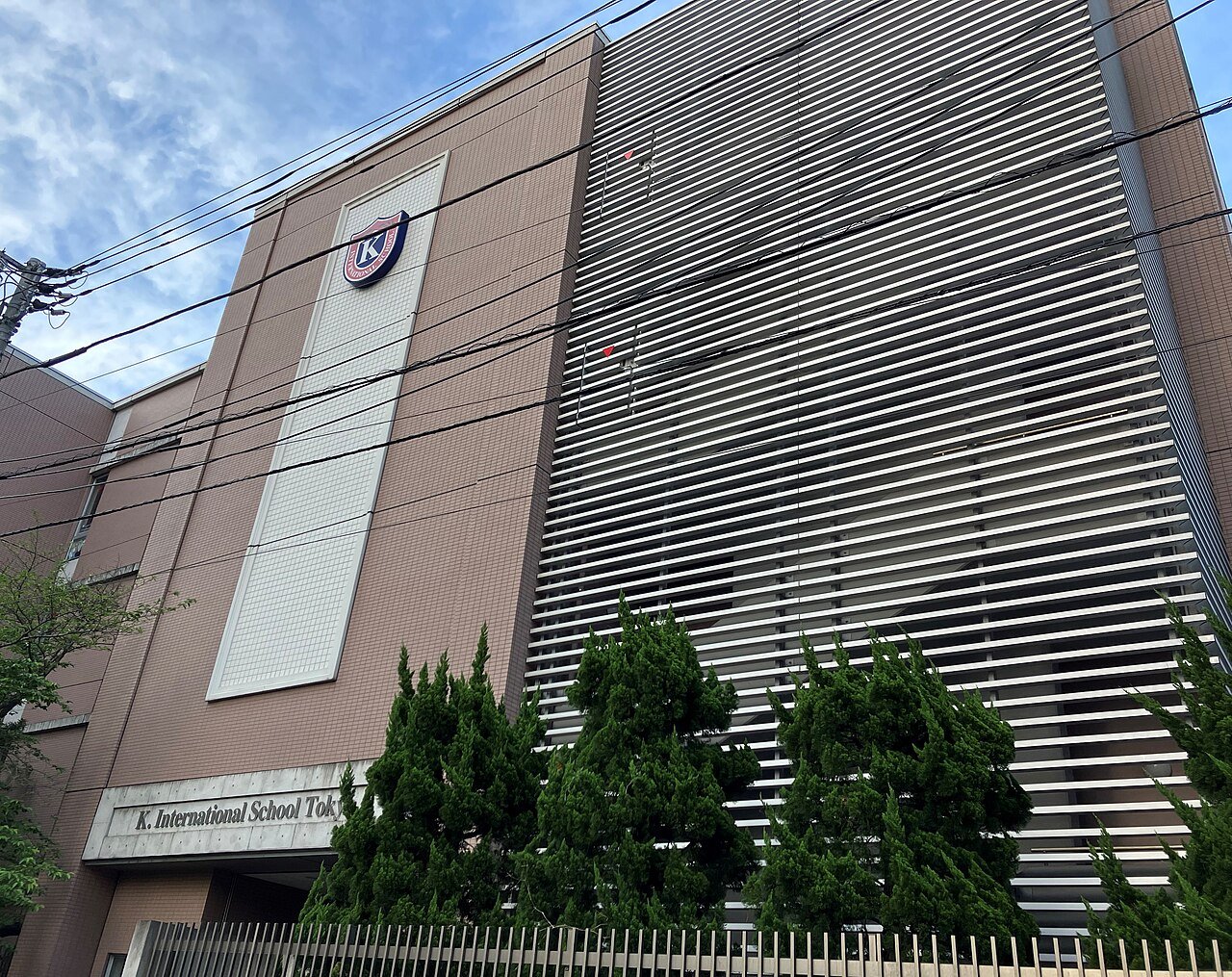
| K. International School Tokyo | IB World School; CIS membership listed |
| Yoyogi International School, KA International School | CIS membership listed |
| Laurus International School of Science | CIS member; CIS accreditation in progress |
| Tokyo International Progressive School | WASC application in progress; its US high school diploma partner is Cognia-accredited |
As listed on each school’s profile on the Tokyo Metropolitan Government’s international schools portal. Accreditation status changes; confirm with the school.
Accreditation, membership and IB authorisation are different
- Accreditation means the school has completed a full external review against the body’s standards.
- Membership (for example, CIS membership) means the school belongs to the organisation; it isn’t the same as being accredited. If a school lists “CIS member”, ask whether it’s accredited or working towards it.
- IB authorisation means the IB has authorised the school to teach its programmes. It’s a separate process from accreditation; see our IB schools comparison.
- Japanese legal status is different again: most international schools are “miscellaneous schools” or unlicensed under Japanese law, whatever their accreditation.
Why accreditation matters
- Japanese university entry: MEXT recognises completion of a 12-year programme at a school accredited by WASC, CIS, ACSI, NEASC, Cognia or COBIS (ECIS, CIS’s former name, also counts). Individual universities may list slightly different bodies, so check each university’s guidelines. Holding the IB Diploma is a separate route. See our international high school guide.
- Moving schools: credits and records from an accredited school are generally easier for other schools to accept.
- Quality assurance: accreditation requires regular self-study and external visits covering teaching, safeguarding and governance.
Questions to ask a school
- Which bodies accredit you, and when is your next review?
- Are you accredited for all grades, including high school?
- If you list membership, are you accredited or a candidate?
- Do your graduates qualify for Japanese university entry through accreditation or the IB Diploma?
FAQ
Is an unaccredited school a bad school?
Not necessarily: newer or smaller schools may be working towards accreditation. But ask how graduates qualify for university, especially in Japan.
Does accreditation affect fees?
Not directly. See our fees comparison.
Sources and official information
- Ministry of Education (MEXT) — University entrance eligibility (Japanese)
- Tokyo Metropolitan Government — International Schools Portal (accreditation for each school)
- Council of International Schools — cois.org
- ACS WASC — acswasc.org
Accreditation status changes. Always confirm with the school. TokyoParents has no commercial relationship with any school or organisation listed. See our editorial policy.
Featured image: K. International School Tokyo by Beryllium Transistor, licensed under CC BY-SA 4.0, via Wikimedia Commons.