


Part of our guide to international schools in Tokyo. Last verified: October 2026.
Which schools in Tokyo offer the IB? Tokyo has a growing number of International Baccalaureate (IB) World Schools. Schools offering the full IB continuum — the Primary Years Programme (PYP), Middle Years Programme (MYP) and Diploma Programme (DP) — include Tokyo International School, Aoba-Japan International School and Seisen International School. Others offer only part of it: St. Mary’s International School and The British School in Tokyo offer the IB Diploma in the final two years, and Canadian International School Tokyo offers the PYP.
Below is a comparison of IB programmes at well-known Tokyo schools, how each programme works, and what to ask before you apply. IB authorisations change, so always confirm a school’s current status with the school or the IB’s official school directory.
IB schools in Tokyo compared
| School | PYP (ages ~3–12) | MYP (ages ~11–16) | DP (ages ~16–19) | Notes |
|---|---|---|---|---|
| Tokyo International School | Yes | Yes | Yes | Grade 12 scheduled to open in 2026–27 |
| Aoba-Japan International School | Yes | Yes | Yes | Several campuses; also an online IB Diploma |
| Seisen International School | Yes (since 2007) | Yes (since 2020) | Yes (since the 1980s) | Girls from Grade 1; coeducational kindergarten |
| K. International School Tokyo | Yes | Check with school | Yes | Long-established IB school |
| St. Mary’s International School | Check with school | Check with school | Yes | Boys’ school; IB Diploma in Grades 11–12 |
| The British School in Tokyo | No | No | Yes (from August 2025) | British curriculum to (I)GCSE, then IB Diploma in Years 12–13 |
| Canadian International School Tokyo | Yes (since 2009) | Check with school | Check with school | AP courses offered in upper grades |
| Yoyogi International School | Yes | — | — | Primary-age IB school |
“Check with school” means we couldn’t confirm the programme from the school or the IB when we last checked. A dash means the programme isn’t listed.
How the IB programmes work
Primary Years Programme (PYP)
For children aged about 3 to 12. The PYP is built around inquiry: children explore themes that cross traditional subjects, and learn to ask questions, research and reflect. It ends with a student-led exhibition project.
Middle Years Programme (MYP)
For students aged about 11 to 16. The MYP covers eight subject groups, with an emphasis on connecting subjects to real-world contexts. It finishes with a personal project. Not every IB school offers the MYP — some use their own middle school curriculum or (I)GCSEs before the Diploma.
Diploma Programme (DP)
A two-year programme for students aged about 16 to 19, and the best-known IB qualification. Students take six subjects (three at Higher Level, three at Standard Level) plus the core: Theory of Knowledge, the Extended Essay and Creativity, Activity, Service. The Diploma is widely recognised by universities worldwide, including in Japan.
Why families choose the IB in Tokyo
- Portability: IB schools exist in many countries, which helps families who may move again.
- University recognition: the IB Diploma is accepted by universities around the world, and many Japanese universities have admissions routes for IB students.
- Language learning: IB programmes include a second language throughout; many Tokyo schools teach Japanese.
- Breadth: students keep studying a broad range of subjects until graduation.
What to ask an IB school
- Which IB programmes are you authorised for, and since when?
- If you don’t offer the MYP, how do you prepare students for the Diploma?
- Do all students take the full IB Diploma, or can some take individual IB courses?
- Which Diploma subjects are offered, and at which levels? (Subject choice varies a lot between schools.)
- How do you support students who join mid-programme, or who are still learning English?
- What are the extra costs, such as IB exam fees? (Seisen, for example, lists ¥20,000 per IB exam subject.)
- Where do graduates go to university, in Japan and abroad?
Costs at IB schools
IB schools in Tokyo charge in the same broad range as other established international schools: from about ¥2.5 million to ¥3.4 million a year in tuition at the schools above, plus one-time entry fees. See our 2026–27 international school fees comparison and our guide to more affordable schools.
FAQ
What is the best IB school in Tokyo?
It depends on your child. Consider whether you want the full continuum or just the Diploma, single-sex or coeducational, location and commute, class sizes and Diploma subject choices. Visit, and ask the questions above.
Can my child join the IB Diploma from a British or American school?
Usually yes, at the start of Grade 11 or Year 12. Schools will look at previous grades and subject choices. BST, for example, moves students from (I)GCSEs into the IB Diploma.
Do Japanese universities accept the IB Diploma?
Many do, through IB-specific admissions or international admissions routes. Requirements vary by university and faculty, so check each university’s admissions guidelines.
Sources and official information
- Tokyo International School — IB Diploma Programme
- International Baccalaureate — Aoba-Japan International School and Canadian International School Tokyo
- Seisen International School — International Baccalaureate at Seisen
- St. Mary’s International School — IB Diploma Programme
- The British School in Tokyo — IB Diploma from August 2025
- International Baccalaureate — official school directory at ibo.org (Find an IB School)
TokyoParents has no commercial relationship with any school listed. See our editorial policy.
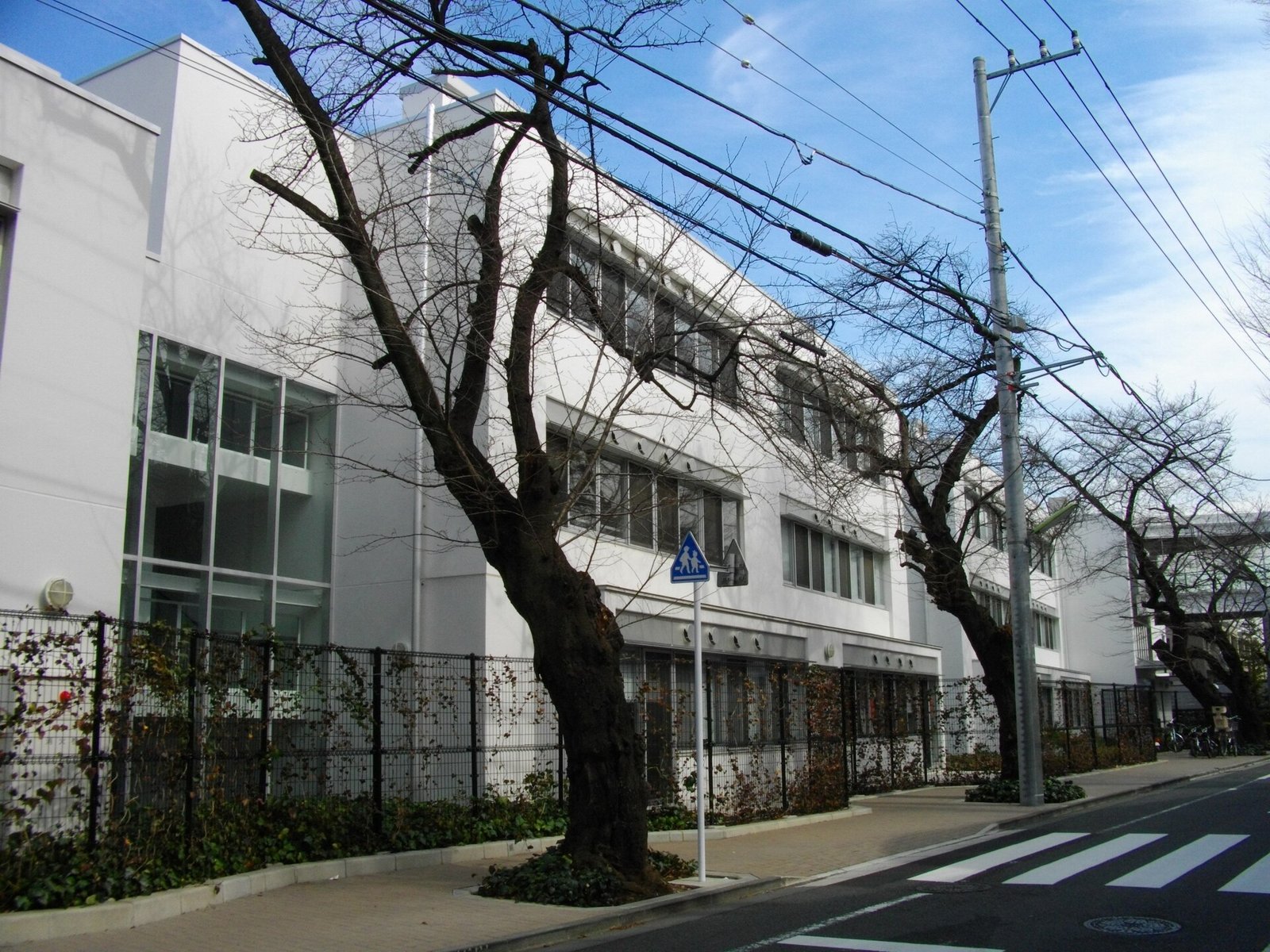
Featured image: St. Marys International School 01 by Abasaa, public domain, via Wikimedia Commons.