


Part of our guide to international schools in Tokyo. Last verified: October 2026.
Which curriculum should you choose in Tokyo? Choose the system your child is most likely to continue in after Tokyo. Families heading back to the UK or a Commonwealth country often choose a British school such as The British School in Tokyo; families heading to North America often choose an American school such as the American School in Japan; French families usually choose the Lycée français international de Tokyo; and families who expect to move again often choose an IB school, because the IB is taught in many countries. If you’ll stay in Japan long term, think about university entry from the start.
Below is how each curriculum works in Tokyo and which schools offer it, based on the schools’ own websites and the Tokyo Metropolitan Government’s international schools portal.
Curricula in Tokyo at a glance
| Curriculum | Example Tokyo schools | Final qualification | Good fit if… |
|---|---|---|---|
| British (English National Curriculum, (I)GCSE) | The British School in Tokyo; Laurus International School of Science (Cambridge) | (I)GCSEs at 16; at BST, the IB Diploma or BTEC at 18 | You may return to the UK or move to another British international school |
| American (US standards, AP) | American School in Japan; Nishimachi (to Grade 9); Tokyo International Progressive School | US-style high school diploma, often with Advanced Placement (AP) courses | You expect to return to the US or apply to North American universities |
| Canadian | Canadian International School Tokyo | AP courses in upper grades (check the diploma with the school) | You want a North American approach with IB-style early years |
| French (Éducation nationale) | Lycée français international de Tokyo | Diplôme national du brevet; French Baccalauréat | Your child is French-speaking, or you’ll return to France or another AEFE school |
| International Baccalaureate | Tokyo International School, Aoba-Japan, Seisen, St. Mary’s (Diploma), K. International School | IB Diploma | You may move again, or want a qualification recognised worldwide |
British curriculum
How it works: children follow the National Curriculum for England in Key Stages, from Nursery and Reception through Year 13. Students take (I)GCSE exams at about 16, then a two-year pre-university programme.
In Tokyo: The British School in Tokyo (BST), founded in 1989 and the largest British school in Japan, teaches ages 3 to 18. Its primary school is at Azabudai Hills in Minato and its secondary school at the Showa campus in Setagaya. Since August 2025, BST has offered the IB Diploma in Years 12–13 instead of A Levels, alongside BTEC courses. Laurus International School of Science follows Cambridge Primary, Cambridge Lower Secondary and IGCSE, with a STEM and entrepreneurship focus.
Worth knowing: if you specifically want A Levels, check each school’s current sixth-form offer, because the main British school in Tokyo now uses the IB Diploma.
American curriculum
How it works: students progress by grade (Kindergarten to Grade 12) and earn credits towards a high school diploma. Many schools offer Advanced Placement (AP) courses, college-level classes with exams set by the College Board, which US and many other universities recognise.
In Tokyo:
- The American School in Japan (ASIJ) — Kindergarten to Grade 12 in Chofu, plus an Early Learning Center in Roppongi. It offers more than 22 AP courses.
- Nishimachi International School (Minato) — follows US Common Core standards from Kindergarten to Grade 9, with a Japanese lesson every day.
- Tokyo International Progressive School (Setagaya) — Common Core for Grades 4–8, then the University of Nebraska High School programme for Grades 9–12, with very small classes.
Worth knowing: ASIJ requires applicants to live in Tokyo with their parents, non-Japanese students to hold a dependent visa, and one parent to be fluent in English.
Canadian curriculum
In Tokyo: Canadian International School Tokyo (CIST) has campuses in Kita-Shinagawa (kindergarten, middle and high school) and Nakameguro (elementary). It offers the IB Primary Years Programme and AP courses, and its teachers are licensed by the Canadian province of Prince Edward Island. Ask the school which diploma graduates receive, and how it’s recognised in Canada and elsewhere.
French curriculum
How it works: the French national curriculum, taught mainly in French, from petite section (age 3) to Terminale (age 18). Students sit the Diplôme national du brevet at about 15 and the Baccalauréat at 18.
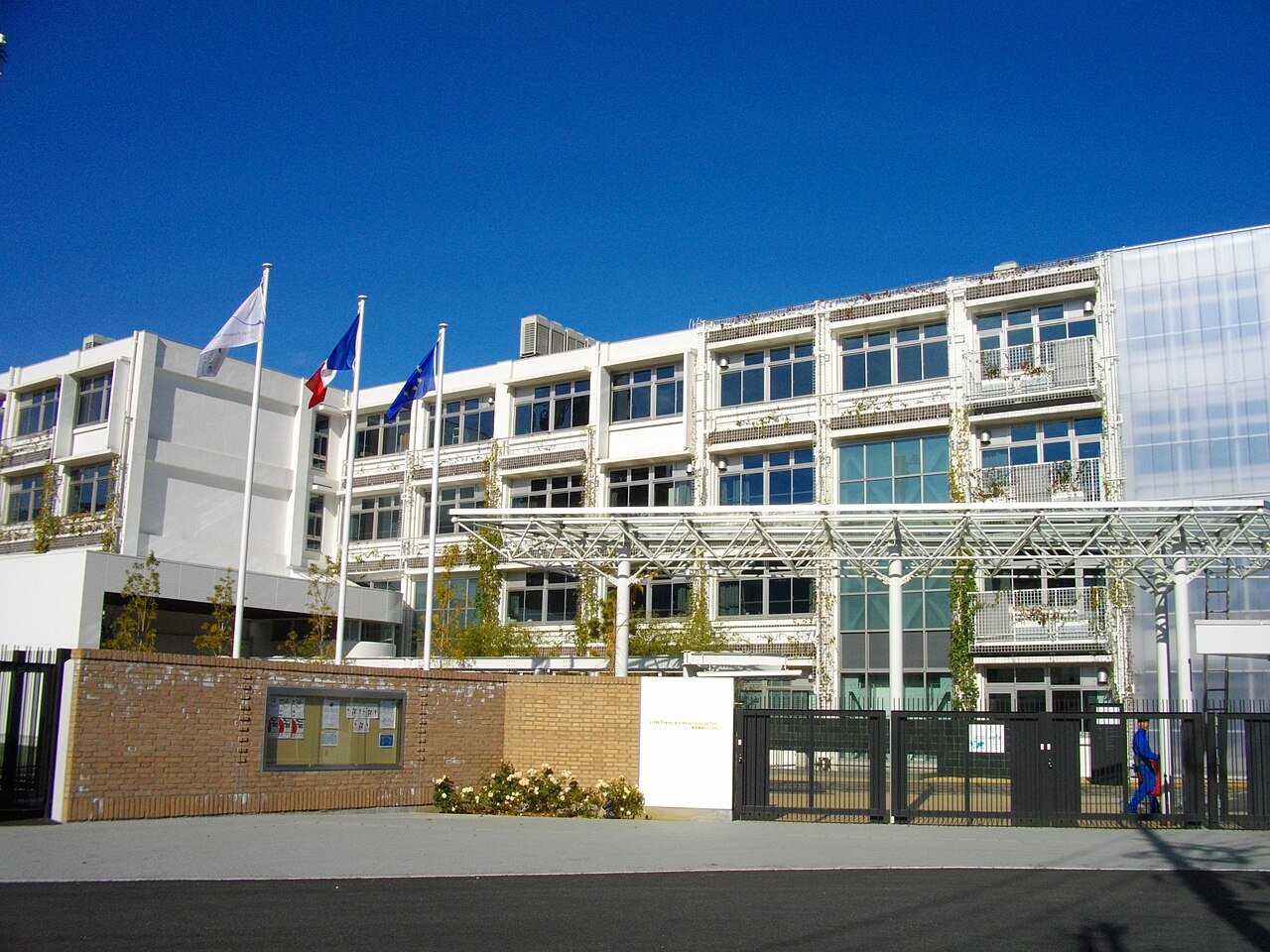
In Tokyo: the Lycée français international de Tokyo (LFIT) in Takinogawa, Kita-ku, is part of the AEFE network of French schools abroad. It also has bilingual French–English classes and offers the option internationale du baccalauréat (OIB) in upper secondary. Most students are French-speaking; check language requirements for non-French-speaking children.
Where the IB fits in
The International Baccalaureate isn’t tied to one country, which is why many mobile families choose it. Several Tokyo schools offer the full IB continuum, and others combine their own curriculum with the IB Diploma at 16–18. See our full comparison of IB schools in Tokyo.
How to choose
- Where will you go next? Matching your next country’s system makes the transition easier, especially for children aged 11 and over.
- Where might your child go to university? AP and US-style diplomas suit North America; (I)GCSEs and the IB Diploma suit the UK; the IB Diploma and French Baccalauréat are widely recognised internationally. Many Japanese universities also have routes for international-school graduates, but requirements vary.
- What age is your child? Switching systems is easiest in primary school and hardest during (I)GCSE or Diploma years.
- Language: most schools teach in English and offer Japanese; LFIT teaches mainly in French.
- Commute: the right curriculum at the wrong end of Tokyo can mean long daily journeys. Check bus routes before you choose an apartment.
- Cost: fees vary more by school than by curriculum. See our 2026–27 fees comparison.
FAQ
Is there a school in Tokyo that offers A Levels?
The British School in Tokyo moved to the IB Diploma for Years 12–13 from August 2025. If A Levels matter to you, ask schools directly about their current sixth-form courses.
Can my child switch from a British to an American school in Tokyo?
Yes, especially in the primary years. Schools place children by age and previous learning; expect to provide school reports and possibly an assessment.
Do international schools in Tokyo teach Japanese?
Most do. Nishimachi, for example, has at least one Japanese lesson every day.
Sources and official information
- Tokyo Metropolitan Government — International Schools Portal (school profiles for BST, ASIJ, Nishimachi, CIST, Laurus and TIPS)
- The British School in Tokyo — IB Diploma from August 2025
- The American School in Japan — Admissions guidelines
- Lycée français international de Tokyo — The foundation
Programmes change. Always confirm the current curriculum with the school. TokyoParents has no commercial relationship with any school listed. See our editorial policy.
Featured image: International French School in Tokyo by Abasaa, public domain, via Wikimedia Commons.