


Part of our Family Life & Culture in Tokyo guide. Last reviewed: October 2026.
Japan’s calendar is full of family-centered seasonal events, and once you know what each one actually celebrates, they become some of the easiest ways to settle into life in Tokyo with kids. Your child’s daycare or school will mark many of them, and taking part at home helps kids connect what happens at school with family life. Here’s a year of the main ones, in calendar order.
Shogatsu — New Year (January 1–3)
New Year is Japan’s biggest family holiday. Many businesses close for the first few days of January, and families gather, eat osechi (special New Year food) and make a first shrine or temple visit of the year (hatsumōde). Children traditionally receive otoshidama — small envelopes of money from relatives. Popular shrines are extremely crowded on January 1–3; a local neighbourhood shrine is much easier with young kids.
Setsubun (around February 3)
Setsubun marks the day before the start of spring on the traditional calendar. The central family ritual is mamemaki — scattering roasted soybeans while shouting “Oni wa soto, fuku wa uchi” (“Demons out, fortune in”). Children are the main participants, usually throwing beans at a family member wearing an oni (demon) mask. Some families also eat ehomaki, a thick sushi roll eaten silently while facing the year’s lucky direction. Daycares and kindergartens almost always celebrate it, so expect your child to come home with a paper oni mask.
Hinamatsuri — Girls’ Day (March 3)
Families with daughters display hina dolls — an emperor, empress and court — in the weeks before March 3 to wish for girls’ health and happiness. Many families put the dolls away promptly afterwards. Shops sell special sweets such as hina-arare, and you’ll see displays in department stores and community centers even if you don’t have dolls at home.
Hanami — cherry blossom season (late March to early April)
Not a single festival but a city-wide event: families picnic under the blossoms in parks across Tokyo. It also coincides with the start of the Japanese school and daycare year in April, so it’s the backdrop to many entrance ceremonies. Go early in the day for space, and bring a picnic sheet.
Kodomo no Hi — Children’s Day (May 5)
Children’s Day, historically associated with boys, fills Tokyo with koinobori — carp-shaped streamers — flown from balconies and public spaces. The carp symbolises strength and perseverance. Families with sons may display a samurai helmet (kabuto), and kashiwa-mochi (rice cakes wrapped in oak leaves) are the seasonal treat. Tokyo Tower’s large koinobori display is a well-known family outing in the weeks before May 5. The day falls in Golden Week, so expect crowds everywhere.
Tanabata — the Star Festival (July 7, or August in some areas)
Tanabata is based on the story of two star-crossed lovers, represented by the stars Vega and Altair, who are separated by the Milky Way and permitted to reunite once a year. The family-friendly tradition is writing wishes on colourful strips of paper (tanzaku) and hanging them on bamboo branches — a genuinely nice activity to do with young kids, and one many schools, shopping streets and community centers in Tokyo organise around. Some shopping streets hold their own Tanabata festivals with decorations and stalls.
Summer: Obon, bon-odori and fireworks (July–August)
Obon, in mid-August in most of Japan (and July in parts of Tokyo), is a time when families honour their ancestors. For newcomers, the most accessible part is bon-odori — community circle dances held at shrines, parks and schools through the summer, usually with food stalls and games for kids. Summer is also fireworks season; the large displays such as the Sumida River fireworks draw huge crowds, so smaller local displays are often better with young children. Kids in yukata (light summer kimono) are a common sight.
Tsukimi — moon viewing (September or early October)
Families admire the full harvest moon and eat tsukimi dango (round rice dumplings), sometimes with a display of pampas grass. It’s a quiet, simple tradition that’s easy to do on a balcony with kids.
Shichi-Go-San (around November 15)
Shichi-Go-San (“seven-five-three”) is a rite-of-passage celebration for children at specific ages — traditionally girls at three and seven, and boys at five (and three in many areas). Families dress children in formal kimono or smart clothes and visit a shrine to give thanks and pray for continued health. The traditional treat is chitose ame — “thousand-year candy”, long thin sticks symbolising a wish for long life. Many families book a photo studio, often weeks or months in advance, and visit the shrine on a weekend in October or November rather than the exact date. It’s a striking, photogenic event to take part in even as a newly arrived family.
Making these part of family life, not just sightseeing
The easiest way into any of these isn’t a guidebook — it’s asking neighbours, your child’s hoikuen or school, or your ward’s community center whether there’s a local event. Many neighbourhood associations and schools run their own smaller-scale versions of these festivals, which tend to be more accessible for young kids than the largest citywide events, and a much easier way to meet other local families than an entirely tourist-facing celebration.
A few practical tips:
- Follow your child’s daycare or school calendar. It will tell you which events matter locally, and what (if anything) your child needs to bring.
- Bring cash. Festival food stalls often don’t take cards.
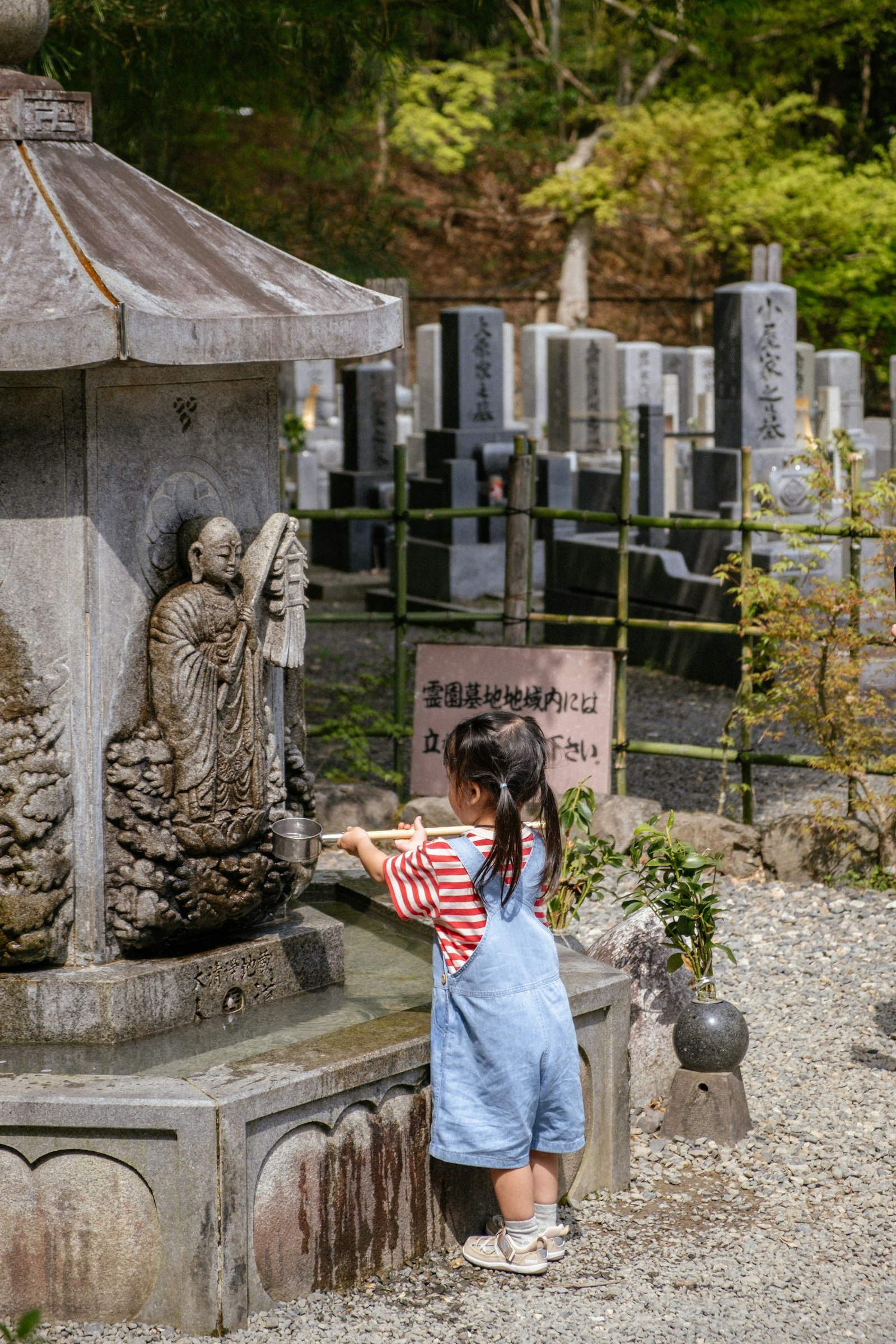
- Shrine etiquette is simple: rinse hands at the water basin if there is one, bow, offer a coin, clap twice, bow again. Kids pick it up fast.
- Mix traditions. Many international families celebrate both their own holidays and Japanese ones. Kids generally love having both.
FAQ
Do we need to be Japanese or religious to take part?
No. Most of these events are treated as cultural and seasonal traditions, and visitors and residents of all backgrounds are welcome.
Do we need to buy the dolls, helmets or kimono?
No. Smaller versions, rentals and photo-studio packages are common, and many families simply join community events.
Are these public holidays?
Some are (New Year’s Day, Children’s Day), most aren’t. Check the official public holiday calendar when planning.
Sources and further reading
- Tokyo Metropolitan Government tourism site — GO TOKYO (events and festivals)
- Cabinet Office — National holidays (Japanese)
Dates and local events change year to year. See our editorial policy.