


Part of our guide to international schools in Tokyo. Last verified: November 2026.
What do Tokyo international schools require for admission? Most ask for the last two years of school reports, a confidential teacher reference, a passport or birth certificate, and an assessment and/or interview. Many also require at least one parent to communicate in English (Tokyo International School, ASIJ, Yoyogi International School, Christian Academy in Japan and Nishimachi all say so), and some have extra rules: ASIJ requires families to live in Tokyo and non-Japanese students to hold a dependent visa; Sacred Heart requires kindergarten children to be toilet-trained; Tokyo YMCA International School doesn’t accept students with no English into Grades 6–9. The British School in Tokyo describes itself as non-selective.
Requirements by school
| School | Parent English | Student assessment | Other requirements |
|---|---|---|---|
| Tokyo International School | At least one parent, without a translator | Interview and/or screening test may be required | 2 years of reports (Grades 1–10); teacher references; siblings get priority |
| American School in Japan | One parent fluent in speaking, reading and writing English | Testing may be required; recommendations required | Must live in Tokyo with parents; non-Japanese students need a dependent visa |
| Nishimachi International School | One or both parents should communicate in English | Screening and interviews may follow | Priority to students with grade-level English |
| St. Mary’s International School | — | Academic test and interview after document screening | No third parties or agents in the process |
| Seisen International School | — | Math and English tests (elementary and up), then a principal interview | Eligibility based on educational background and language |
| International School of the Sacred Heart | — | Grades 1–4: online math and English reading/writing; Grades 5–12: math, reading and essay | Kindergarten children fully toilet-trained by August 1 |
| The British School in Tokyo | — | Interviews/assessments if required | Describes itself as non-selective |
| K. International School Tokyo | — | Entrance exam with interview | Applicants must not require special support |
| Shinagawa International School | — | Student assessment (interview/MAP test) and parent interview | 2 years of English reports; ¥40,000 application fee; recommendation letter(s) |
| Yoyogi International School | At least one parent | Math and English screening | — |
| Tokyo YMCA International School | — | English assessment, interview and placement tests | No entry to Grades 6–9 without English; health records and recommendation |
| Christian Academy in Japan | At least one parent communicates effectively | Grade-level academic English (except K and lower elementary) | Priority for Christian families |
| KA International School | — | Math and English assessments; trial day for Tokyo applicants | Online interview for overseas applicants |
| Tokyo International Progressive School | Parent language proficiency considered | Interview and two-day trial class | Developmental or psychological report; generally first-come, first-served |
| New International School of Japan | — | Interview with parents and child | Parent orientation; no application fee; rolling decisions |
| India International School in Japan | — | Interviews and exams | Priority to Indian and other foreign nationals; Japanese nationals must be returnees |
Sources: each school’s profile on the Tokyo Metropolitan Government’s international schools portal and the schools’ own admissions pages. Requirements change; always check with the school.
Common documents
- School reports or transcripts for the last two years (often in English, or translated)
- Confidential teacher recommendation(s), usually sent directly by the teacher
- Passport or birth certificate copy; for some schools, visa or residence card
- Standardised test results or educational assessments, if your child has them
- Any psycho-educational or developmental reports (several schools ask for these to check they can meet a child’s needs)
- Health and immunisation records
- Application fee (often ¥30,000–¥50,000; NewIS charges none)
Parent English requirements
Many schools want at least one parent to communicate with the school in English, because newsletters, meetings and reports are in English. This matters most for Japanese families. If neither parent speaks English, ask schools directly how they support families.
Learning support
Admission depends partly on whether the school can meet a child’s needs. KIST says applicants must not need special support; TIPS is built around small classes and on-staff therapists. Share any assessments honestly: Tokyo International School says it may withdraw an offer if important learning documentation is withheld.
Timing
Requirements matter less than timing at oversubscribed entry points. See our 2027–28 admissions calendar for deadlines, and our admissions guide for how waitlists work.
FAQ
Does my child need to speak English to get in?
For kindergarten and the early grades, often not fluently; Christian Academy in Japan, for example, doesn’t require grade-level English in kindergarten and the lower elementary grades. For older grades, most schools expect English close to grade level.
Can we use an education agent?
Some schools don’t allow it: St. Mary’s says third parties and representatives can’t be involved in admissions.
Sources and official information
- Tokyo Metropolitan Government — International Schools Portal (admissions requirements for each school)
- The American School in Japan — Admissions guidelines
- Tokyo International School — Admissions
- St. Mary’s International School — Admissions policy
- International School of the Sacred Heart — Admission process
Requirements change. Always confirm with the school. TokyoParents has no commercial relationship with any school listed. See our editorial policy.
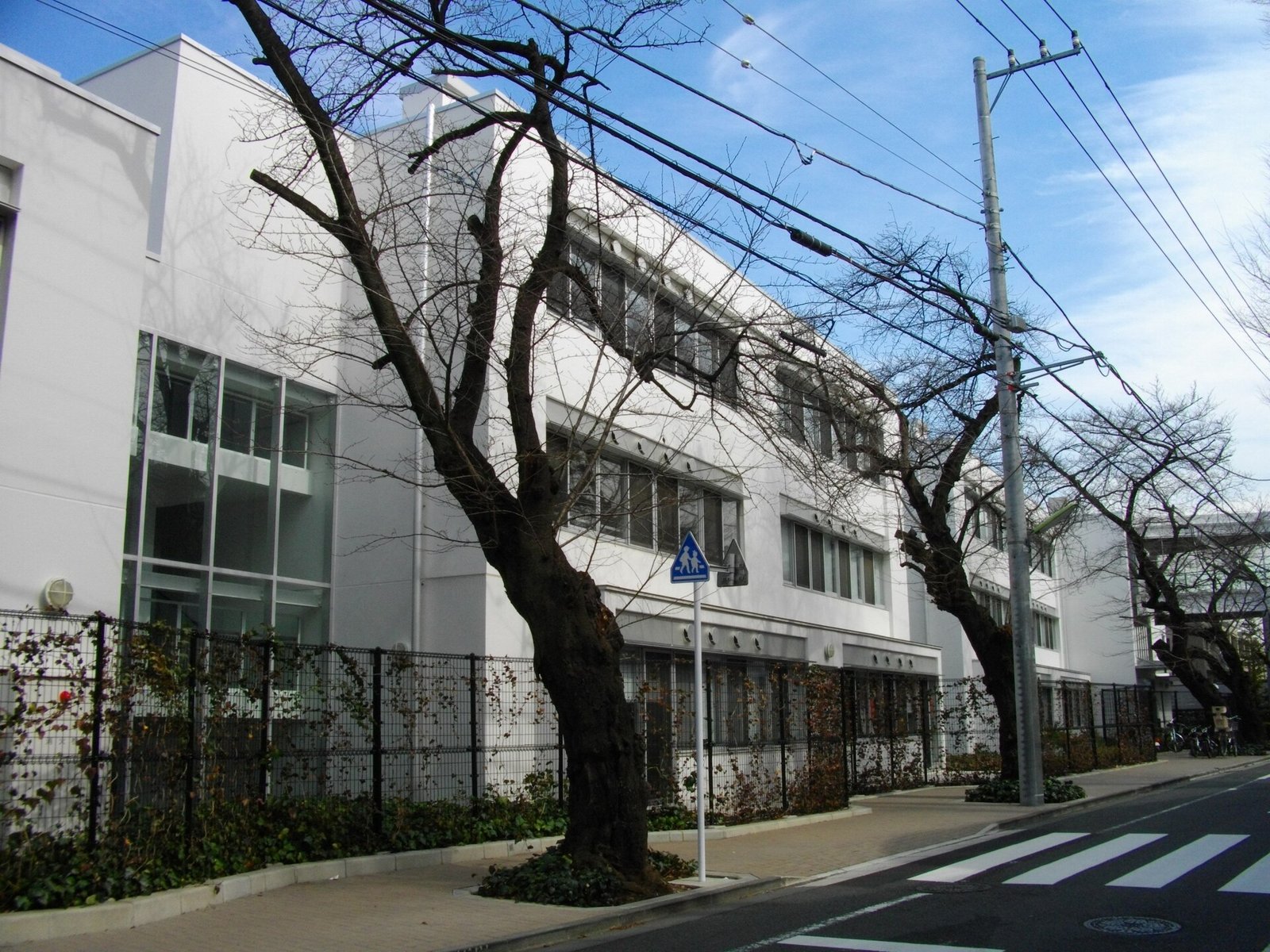
Featured image: St. Marys International School 01 by Abasaa, public domain, via Wikimedia Commons.