


Part of our guide to international schools in Tokyo. Last verified: November 2026. This is general information, not legal advice.
Can Japanese children go to international school? They can enrol, but for children who hold only Japanese nationality, attending most international schools doesn’t satisfy Japan’s compulsory education requirement. Japan’s education ministry (MEXT) says most international schools are classed as “miscellaneous schools” (kakushu gakkō) or are unlicensed, not as schools under Article 1 of the School Education Act (ichijō-kō). The practical consequence: a child who finishes elementary school at a non-Article 1 international school can’t then enter, or transfer into, a Japanese public junior high school. Dual nationals can apply to their ward to defer or be exempted from the requirement, and children with only foreign nationality have no obligation at all.
The rules by nationality
| Child’s nationality | Compulsory schooling obligation? | What to do before enrolling in an international school |
|---|---|---|
| Japanese only | Yes. Attending a non-Article 1 international school doesn’t fulfil it | Consult your ward’s board of education first |
| Japanese and foreign (dual national) | Yes, but it can be deferred or waived | Apply to your ward for deferral or exemption (shūgaku yūyo / menjo) |
| Foreign only | No | No application needed for an international school (some wards ask you to answer a schooling survey) |
What the education ministry says
In its guidance on school attendance, MEXT explains that:
- there’s no special legal category for “international schools”; some are recognised as Article 1 schools, but most are miscellaneous schools or unlicensed;
- the parental duty to send a child to school (School Education Act, Article 17) assumes attendance at an Article 1 school, so sending a Japanese child to a non-Article 1 international school doesn’t fulfil it;
- a child who completes the elementary section of a non-Article 1 international school can’t then enter a Japanese junior high school, and can’t transfer into one partway through.
What Tokyo wards say
- Shinjuku calls attendance at a non-Article 1 school by a Japanese-only child a breach of the schooling obligation, says the child won’t be admitted to a ward junior high school even after graduating, and asks parents to consult the board of education in advance.
- Setagaya says the same, and explains that dual nationals can request an exemption if they’re likely to choose foreign nationality in future and have another education secured. An exemption doesn’t give elementary or junior high graduation status, or the right to enter a public school.
Dual nationals: deferral or exemption
- When: once you’ve decided on a non-Article 1 international school.
- Where: your ward’s board of education (in Setagaya, the Enrollment Section; in Shinjuku, the Student Affairs Section).
- Documents (typically): proof of foreign nationality, such as a foreign passport copy or birth certificate, and proof of enrolment, such as the international school’s admission letter, enrolment certificate or student ID.
- If you move: Setagaya asks families who had a deferral or exemption elsewhere to apply again after moving in.
Foreign-only children
Children without Japanese nationality aren’t subject to Japan’s compulsory schooling obligation, so no ward procedure is needed to attend an international school. They can still attend public schools free of charge if you apply. Shinjuku notes that you can’t enrol in a public school temporarily, for example during an international school’s long holidays.
Alternatives that count as compulsory education
If you want an international-style education that also counts as Japanese schooling, look at Article 1 schools with English or IB programmes:
- Tokyo Gakugei University International Secondary School (national, Nerima): IB Middle Years Programme since 2010 and IB Diploma since 2015, with many returnee students.
- Tokyo Metropolitan Kokusai High School (public): an IB World School offering the IB Diploma since 2015.
- Tachikawa Kokusai Secondary School’s attached elementary school (public): Japan’s first public elementary-to-high-school programme, opened in April 2022, teaching English as a subject from Grade 1.
- Article 1 international schools: a few international schools are recognised as Article 1 schools. Ask any school directly about its legal status.
See also our comparison of international school curricula.
University entrance in Japan
Even without Japanese school graduation status, international-school graduates can qualify for Japanese universities: MEXT recognises the IB Diploma and other foreign qualifications, and completion of a 12-year programme at a school accredited by WASC, CIS, ACSI, NEASC, Cognia or COBIS. See our guide to international high school and university pathways.
Questions to ask before you decide
- Is the school an Article 1 school, a miscellaneous school or unlicensed?
- Might your child want to switch into the Japanese system later, especially for junior high?
- For dual nationals: has your ward approved a deferral or exemption?
- Is the school accredited by a body MEXT recognises, if Japanese university entry matters?
FAQ
Is it illegal for Japanese children to attend international school?
Enrolling isn’t prohibited, but for a Japanese-only child it doesn’t satisfy the parents’ schooling obligation, and wards describe it as a breach of that obligation. Talk to your ward’s board of education before enrolling.
Can my child switch back to a Japanese school later?
Into a public elementary school, usually yes. Entering or transferring into a public junior high after a non-Article 1 international elementary school is generally not allowed, though Setagaya says special circumstances can be discussed. Ask your ward early.
Sources and official information
- Ministry of Education (MEXT) — School attendance obligation and international schools (Japanese)
- Shinjuku City — Attending international schools (Japanese)
- Setagaya City — Attending international schools (Japanese)
- Ministry of Education (MEXT) — University entrance eligibility (Japanese)
- Tokyo Metropolitan Kokusai High School — School pamphlet (Japanese)
Rules and procedures vary by municipality. Confirm with your ward’s board of education. TokyoParents has no commercial relationship with any school listed. See our editorial policy.
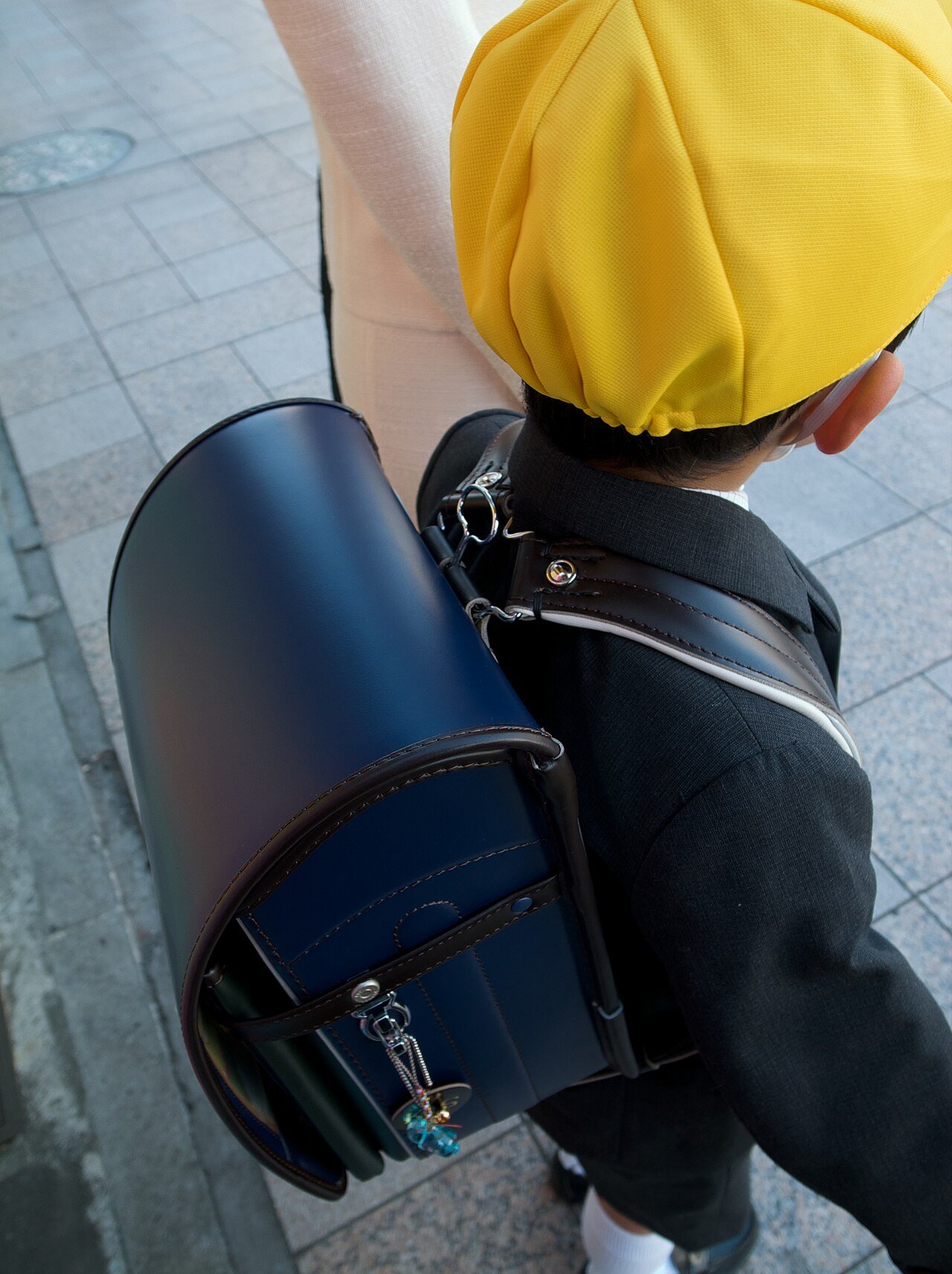
Featured image: Schoolkid wearing yellow hat and randoseru in Japan by hiro, licensed under CC BY-SA 2.0, via Wikimedia Commons.