


Part of our Healthcare for Families in Tokyo guide. Last reviewed: October 2026.
Having a baby in Tokyo as a foreign resident is safe, well supported and — thanks to a series of national and Tokyo programs — more affordable than many people expect. But the system works differently from many countries: routine childbirth isn’t covered by health insurance in the usual way, you book a hospital early, and there’s a sequence of ward-office steps before and after the birth. This guide walks through it from the first positive test to your baby’s first month.
Step 1: confirm the pregnancy and choose where to give birth
Once a clinic confirms the pregnancy, start choosing where you’ll give birth — popular hospitals in Tokyo fill their delivery slots early, sometimes in the first trimester.
- General and university hospitals: full medical backup, neonatal care, and often more experience with complex pregnancies.
- Maternity clinics: smaller, often more personal, with private rooms and a more hotel-like stay.
- Midwife-led birth centers (josan-in): for low-risk pregnancies, with hospital backup.
Questions to ask: Do they offer English-speaking staff or interpreting? Do they offer epidurals, and at what times? How long is the typical stay (often around five days for a vaginal birth)? Can partners attend? What does the delivery package cost? Hospitals in central Tokyo with long experience of international patients are in high demand, so ask other parents and book early.
Step 2: the pregnancy notification and Maternal and Child Health Handbook
After the pregnancy is confirmed, submit a pregnancy notification to your ward office. You’ll receive:
- The Maternal and Child Health Handbook (母子健康手帳, boshi kenkō techō), which records your pregnancy, birth and your child’s health and vaccinations for years. Many wards offer multilingual versions — ask for one.
- Prenatal checkup vouchers covering much of the cost of the standard series of checkups.
- Information on parenting classes and support from the ward’s health center.
You’ll also be interviewed by a public health nurse or midwife, which is a good chance to ask about local support.
What childbirth costs — and who pays
A normal vaginal birth isn’t treated as an illness, so it isn’t covered by health insurance in the usual way. Instead:
- Childbirth lump-sum allowance: your health insurance pays 500,000 yen per baby (488,000 yen at facilities outside the obstetric compensation scheme). In most cases it’s paid directly to the hospital, so you only pay the difference.
- Costs in Tokyo: the national average for a normal delivery was a little over 500,000 yen in recent government figures, and Tokyo hospitals are typically above the national average, so expect to pay something on top depending on the hospital and room.
- Complications: C-sections and other medical procedures are covered by health insurance at the usual co-payment rate, with the high-cost medical care cap.
- Policy change ahead: the government is working on a system to make standard childbirth costs free for families. It’s expected from fiscal 2027 at the earliest — check the latest before you budget.
Make sure you’re enrolled in Japanese health insurance — see our health insurance guide.
Epidurals and Tokyo’s subsidy
Epidurals are less common in Japan than in many countries, and not every hospital offers them, or offers them 24 hours a day. Since October 2025, Tokyo has subsidised epidural births: residents who give birth with an epidural at a designated hospital can claim the cost of the epidural up to 100,000 yen, with no income limit. You generally need to have filed your pregnancy notification in Tokyo and remained a resident, and apply online within a year of the birth. Check whether your chosen hospital is a designated facility.
Cash support during and after pregnancy
- Pregnancy support payment: a national payment of 50,000 yen after your pregnancy notification, and a further 50,000 yen per baby later in the pregnancy, administered by your ward.
- Tokyo’s newborn support (“Akachan First”): Tokyo provides gift points worth at least 100,000 yen per baby for childcare goods and services, applied for after the birth.
- Child allowance and 018 Support: monthly payments from birth — apply within 15 days. See our child benefits guide.
Leave and income for working parents
- Maternity leave: 6 weeks before the due date (14 weeks for multiple births) and 8 weeks after birth.
- Maternity allowance: if you’re covered by employer health insurance, you can generally receive about two-thirds of your salary during maternity leave.
- Childcare leave: either parent can take childcare leave, generally until the child turns one (extendable in some cases), with benefits paid through employment insurance. Additional support applies when both parents take leave shortly after the birth.
Rules depend on your employment and insurance. Ask HR early, especially at a foreign company.
After the birth: the paperwork checklist
- Birth registration at the ward office within 14 days.
- Your embassy: register the birth and apply for your baby’s passport and nationality documents.
- Status of residence: a foreign baby born in Japan must apply to immigration within 30 days of birth.
- Health insurance for the baby (NHI or your employer’s insurance).
- Child medical subsidy certificate (maru-nyū).
- Child allowance within 15 days, and 018 Support.
- Newborn home visit and checkups arranged by the ward’s health center.
Then find your pediatrician — see our guide to English-speaking pediatricians.
FAQ
Can my partner stay at the hospital?
Policies vary widely. Some hospitals allow partners at the birth and for visits; overnight stays are less common. Ask before you book.
Will doctors speak English?
Many obstetricians in central Tokyo speak some English, and some hospitals provide interpreting. Nursing staff may speak less. Bring key phrases or a translation app.
Can I give birth in Tokyo if I’m on a Dependent visa?
Yes. Your residence status doesn’t affect access to care, as long as you’re enrolled in Japanese health insurance.
Sources and official information
- Tokyo Metropolitan Government — Tokyo childbirth and childcare support “Akachan First” (Japanese)
- Machida City (Tokyo) — Tokyo epidural birth subsidy (Japanese)
- Itabashi City — Pregnancy support payment (Japanese)
- Immigration Services Agency of Japan — Status of residence for children born in Japan
This guide is general information, not medical advice. Follow your doctor’s guidance. See our editorial policy.
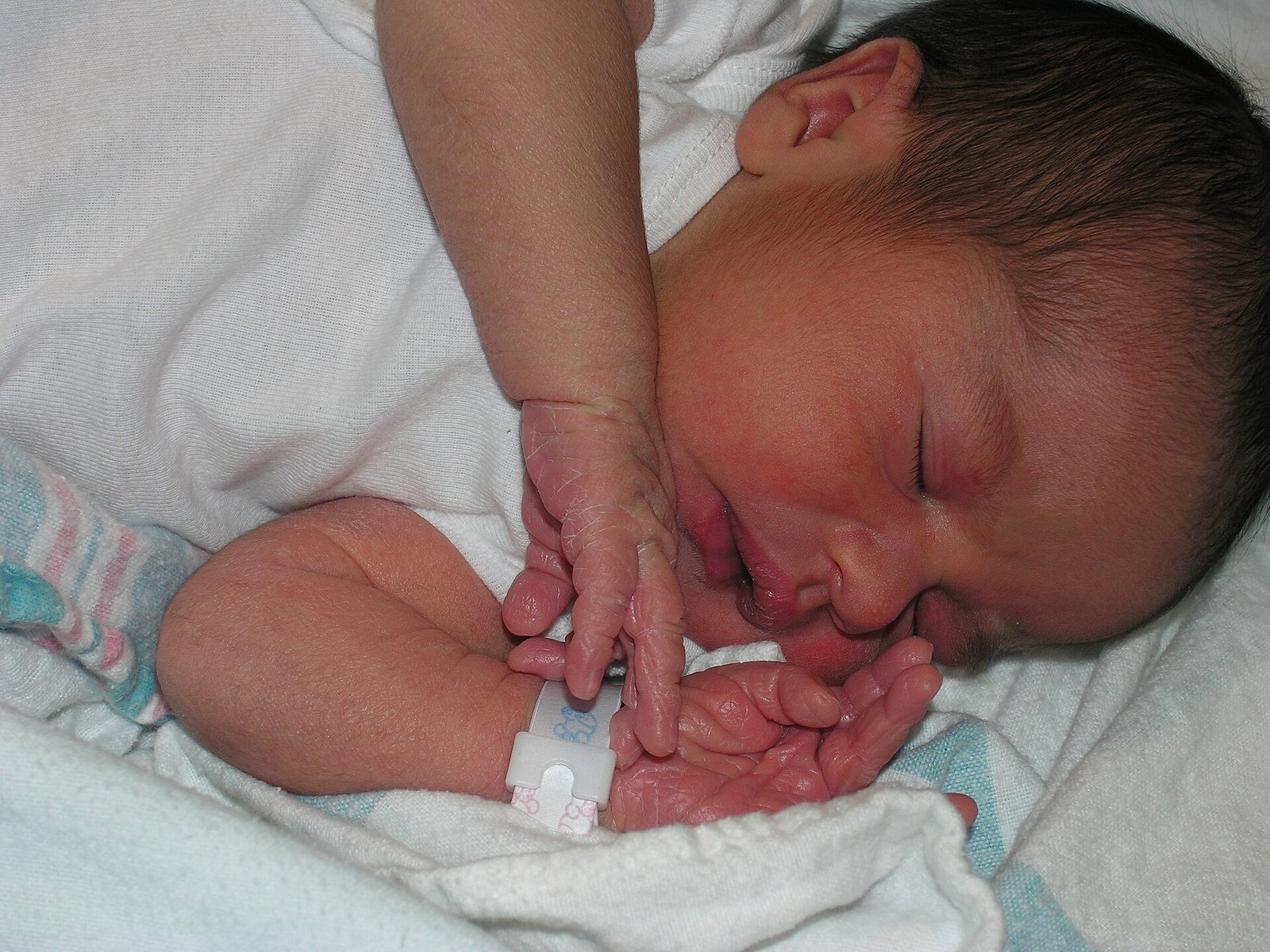
Featured image: Hospital newborn by Bonnie Gruenberg6 by Bonnie U. Gruenberg, licensed under CC BY-SA 3.0, via Wikimedia Commons.