


Part of our Living in Tokyo with Kids guide. Last reviewed: October 2026.
Choosing a ward is the first real decision a family makes when moving to Tokyo, and it shapes almost everything that follows: which schools are a realistic commute, how much space you get for your budget, how competitive daycare is, and how much of daily life happens in English versus Japanese. Three wards come up constantly in family relocation research: Minato, Meguro, and Setagaya. Here’s how they actually differ, and how to decide between them.
Minato: the international hub
Minato is Tokyo’s most international ward. Neighborhoods like Hiroo, Azabu and Roppongi have a dense concentration of embassies, foreign company offices, international schools and English-speaking services. Foreign residents make up a noticeably larger share of the population here than in most of Tokyo.
- Schools nearby: several well-known international schools are in or near the ward, including Nishimachi International School (Moto-Azabu) and the International School of the Sacred Heart (Hiroo).
- Daily life: international supermarkets, English-speaking clinics and dentists, and an established expat community make the first months easier.
- Green space: Arisugawa-no-miya Memorial Park in Hiroo is a long-standing favourite with families.
- The tradeoff: cost. Rents in Minato run well above the Tokyo average, and family-sized units with more than two bedrooms are competitive. You generally trade space for proximity.
Best fit: families on a corporate housing budget, children at central international schools, and families who want to minimise culture shock in year one.
Meguro: the middle ground
Meguro sits geographically and culturally between Minato’s international infrastructure and Setagaya’s residential space. Neighborhoods such as Naka-Meguro, Gakugei-Daigaku, Toritsu-Daigaku and Jiyugaoka have a more distinctly Japanese neighborhood character than Minato, with good shopping streets and a wider mix of property types.
- Transport: the Tokyu Toyoko and Meguro lines and easy connections into Shibuya make commuting to central offices straightforward.
- Schools: Meguro has fewer international schools within its borders than Minato, but many families commute to schools in neighbouring Minato, Shibuya or Setagaya.
- Green space: the Meguro River walk and Komazawa Olympic Park (on the Setagaya border) are popular weekend spots.
- The tradeoff: a little less English-language infrastructure than Minato, and popular stations still command premium rents.
Best fit: families who want a shorter commute into central Tokyo but more space and a more local feel than Minato.
Setagaya: space and community
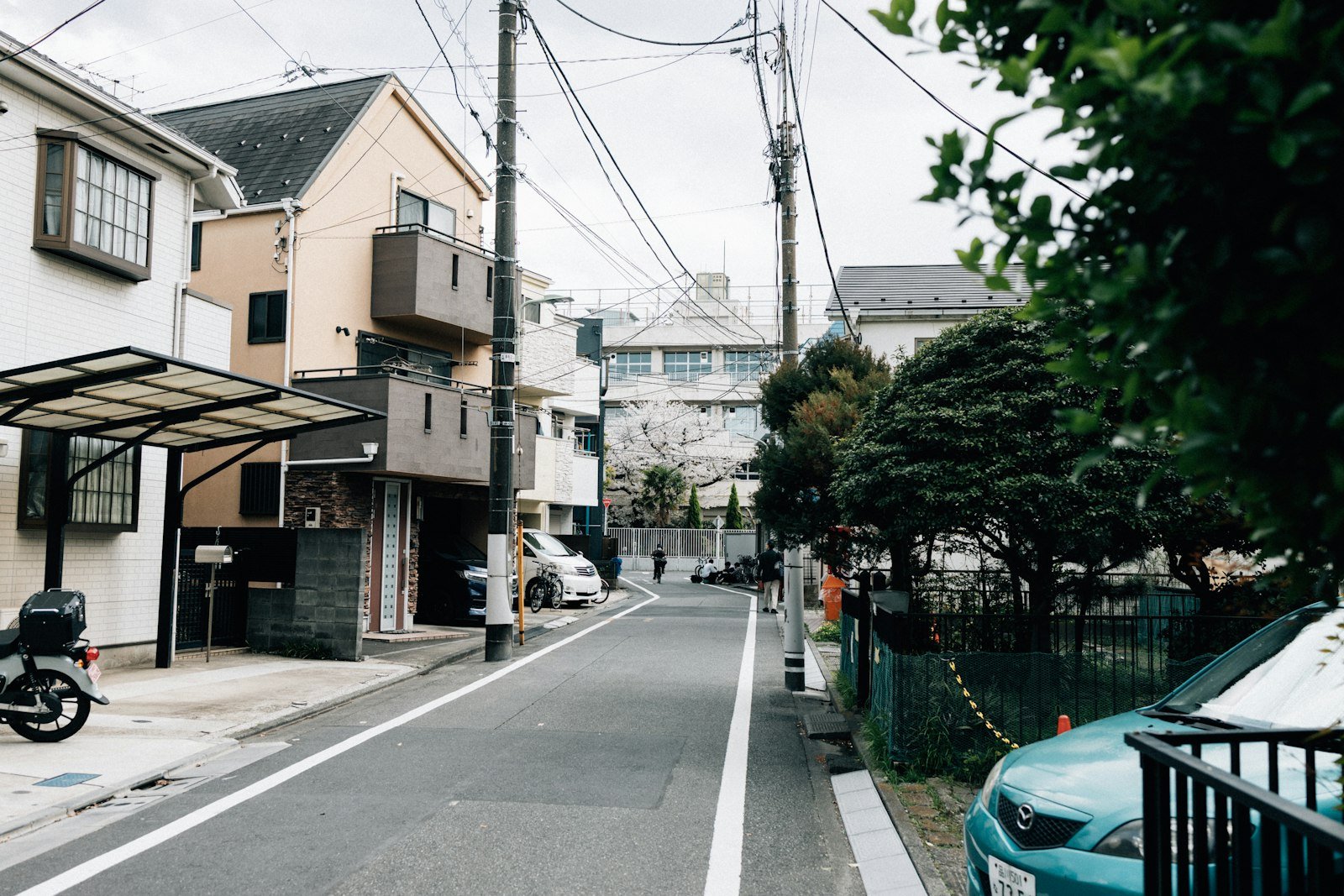
Setagaya is Tokyo’s most populous ward, with more than 900,000 residents, and it consistently comes up as one of the most family-oriented areas of the city. It trades some central-Tokyo convenience for quieter streets, larger homes, and significantly more green space.
- Schools nearby: St. Mary’s International School and Seisen International School are in the ward, and families also commute to international schools in neighbouring wards and cities.
- Green space: Kinuta Park, Komazawa Olympic Park and Todoroki Valley are standouts for families with young kids.
- Housing: more detached houses and larger apartments for the money than Minato or central Meguro.
- Daycare: because so many families live here, licensed daycare (hoikuen) demand is high. Check the ward’s published admission information for the specific area you’re considering before you sign a lease.
- The tradeoff: longer commutes for parents working in central wards like Minato or Chiyoda, and a more Japanese-language daily life.
Best fit: families prioritising space and outdoor life, families with children in Japanese schools or Setagaya-area international schools, and longer-term residents.
Side-by-side comparison
- Cost: Minato highest; Meguro high but more variable; Setagaya generally more space for the money.
- English-language infrastructure: Minato strongest; Meguro moderate; Setagaya more limited outside specific neighborhoods.
- Space and parks: Setagaya strongest; Meguro moderate; Minato limited but with good central parks.
- Commute to central business districts: Minato shortest; Meguro short; Setagaya longest.
Other wards worth a look
Minato, Meguro and Setagaya aren’t the only options. Families also do well in Shibuya (around Yoyogi-Uehara and Hatagaya, near Yoyogi Park), Shinagawa, Bunkyo (known for its academic atmosphere and quieter streets), and newer waterfront developments in Koto such as Toyosu, where large family-sized apartments are more common. If none of the big three fit your budget, widen the search before compromising on commute.
How to actually decide
Weigh these factors before you weigh anything else:
- School commute: map your shortlisted schools first, then look at housing within a realistic radius — not the other way around. For young children, aim for a single-train or door-to-door bus commute.
- Budget vs. space: Minato buys proximity, Setagaya buys square footage. Meguro is the compromise if you can’t have both.
- Daycare competitiveness: if you’ll rely on licensed daycare, look at the specific ward’s admission information. See our guide to applying for hoikuen.
- Community type: Minato feels the most like an international enclave; Setagaya feels the most like living in a Japanese residential neighborhood with excellent infrastructure for kids.
- Which parent commutes where: a 15-minute difference each way adds up to more than two hours a week.
None of the three is objectively “best” — it depends on which parent’s commute matters more, how international-school-dependent your plan is, and how much you value space over proximity. Start this comparison before you sign a lease, not after.
FAQ
Is it worth living in a more expensive ward just to be near an international school?
For young children, often yes — a short, simple commute matters a lot day to day. For older children who can travel independently, Tokyo’s rail network makes a longer commute more manageable, and the savings in rent can be significant.
Do subsidies differ between wards?
Some do. Tokyo-wide programs such as the 018 Support payment and free licensed daycare apply across the city, but individual wards add their own benefits and set their own daycare admission rules. Check the ward’s website for current programs.
Should we rent short-term first?
If you can, yes. A month or two in a serviced apartment lets you visit neighborhoods on weekdays and weekends before committing to a two-year lease. Remember that your 14-day ward registration clock starts when you move into your actual home.
Sources and official information
- Minato City — official website
- Meguro City — official website
- Setagaya City — official website
Rents, school availability and ward programs change. See our editorial policy for how we research and update guides.