
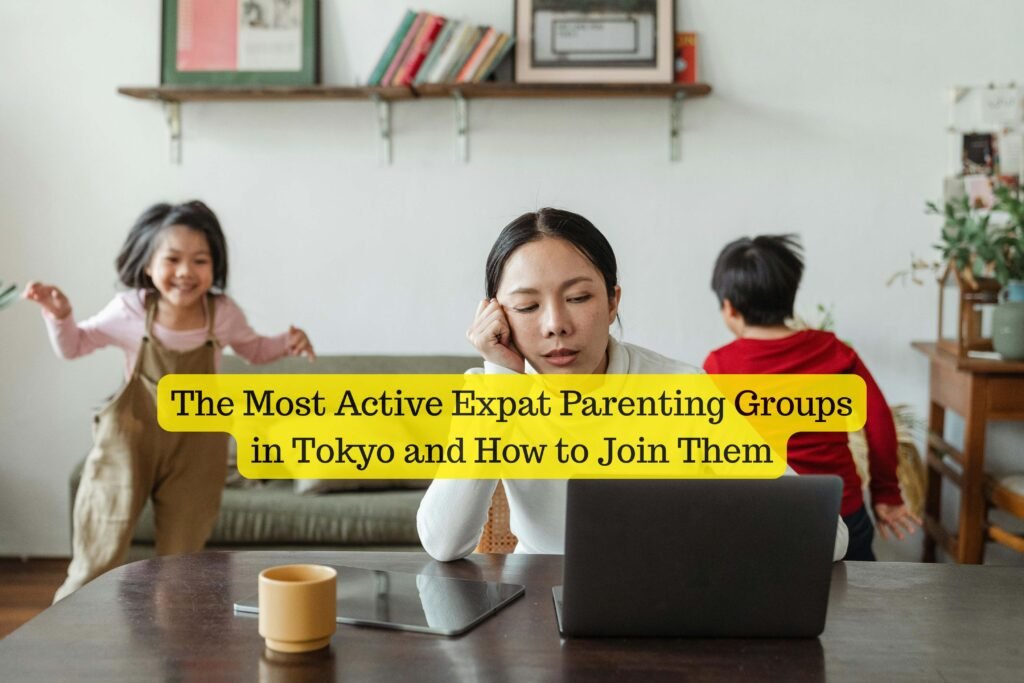
Why Expat Parenting Groups Matter in Tokyo
Parenting in Tokyo can feel wonderfully exciting and secretly overwhelming at the same time. Hoikuen applications, train commutes with strollers, tiny apartments, language barriers, and different school expectations can leave many parents feeling a bit lost. This is where expat parenting groups become a lifeline: a place to ask “Is this normal in Japan?”, borrow a baby carrier, find a bilingual doctor, or simply say “Today was hard” and be understood.
Tokyo has a surprisingly rich network of expat and international parenting communities. Many are very active both online and offline, offering playgroups, seasonal events, used-item swaps, and practical advice on everything from hoikuen paperwork to shogakko randoseru shopping.
What You’ll Find in Tokyo’s Expat Parenting Communities
Most active expat parenting groups in Tokyo share a few things in common:
- Daily support online – Facebook groups, Line chats, or forums where parents ask questions about schools, health, and daily life.
- In-person meet-ups – Park playdates in places like Yoyogi Park, Shinjuku Chuo Park, or along the Meguro River; café meetups; indoor playroom gatherings in winter.
- Information sharing – Lists of English-speaking dentists, hoikuen recommendations by ward, advice on Jidōkan (public kids’ centers), and navigating city hall.
- Second-hand markets – Great for strollers, balance bikes, yukata for festivals, and outgrown randoseru or uniforms.
- Cultural bridge-building – Help understanding Japanese school expectations, PTA culture, and seasonal customs like undōkai, setsubun, and shichi-go-san.
Parenting Tip: If you feel shy about joining events, start by posting a simple introduction in a group. “We just moved to Nakameguro with a 3-year-old and 5-year-old, would love park recommendations!” You’ll be surprised how many replies you get.
Tokyo-Wide Expat Parenting Groups
1. Large English-Language Facebook Parenting Communities
Across Tokyo, there are big, very active Facebook groups where parents share information on everything from bilingual schools to rainy-day indoor play areas. Members include long-term expats, mixed Japanese–international families, and newcomers who arrived last week.
These groups are especially helpful for:
- Finding hoikuen and yochien experiences by ward (e.g., Setagaya, Minato, Koto, Suginami).
- Advice on hoikuen application points, nursery waiting lists, and daycare subsidies.
- Questions like “Is this note from school urgent?” or “What do I pack for undōkai?”
- Recommendations for English-friendly pediatric clinics and counseling services.
How to join: Search for “Tokyo moms”, “Tokyo parents”, or “Tokyo expat families” on Facebook. Choose groups with:
- Recent posts (daily or almost daily).
- Clear rules and active moderators (for safety and kindness).
- Descriptions mentioning “playgroups”, “bilingual”, “international families”, or your ward.
2. Ward-Specific Parenting Groups (Setagaya, Minato, Shibuya, etc.)
Many wards have their own English-language or mixed-language parenting groups. For example, Setagaya, popular with families in Shimokitazawa and Sangenjaya, often has groups focused on local hoikuen, jidōkan, and family-friendly cafes. Minato-based parents may share information about international schools, embassy events, and English-speaking services.
Ward-based groups are especially good for:
- Local park playdates and seasonal activities (hanami, summer matsuri, Halloween walks).
- Sharing hoikuen and yochien experiences specific to that ward’s system.
- Riding the same bus routes or trains to school and activities.
How to join: Search “[your ward] parenting” or “[your ward] moms/dads” in English and sometimes in romaji (e.g., “Setagaya mama”). Introduce yourself, including your child’s age and neighborhood, to connect more easily.
Bilingual and International Family Groups
3. Groups for Mixed Japanese–International Families
Many children in Tokyo grow up in bilingual homes, attending local shogakko while speaking another language at home. These families often look for support with:
- Balancing Japanese homework with home language literacy.
- Navigating PTA, class newsletters, and school events in Japanese.
- Handling cultural differences in discipline, independence, and group expectations.
Some online groups and in-person circles focus on bilingual upbringing, sharing experiences about jukus (cram schools), after-school English programs, and keeping the non-Japanese language strong.
How to join: Look for words like “bilingual”, “multicultural”, “international marriage”, or “half kids” (a common but sensitive term in Japan; many families prefer “mixed” or “bicultural”). When joining, mention you’re raising bilingual children and what languages you use at home.
4. International School Parent Networks
If your child attends an international school in areas like Azabu, Hiroo, Den-en-chōfu, or Kichijōji, there are often very active parent networks:
- PTA or parent associations with regular events.
- WhatsApp or Line groups for each class or bus route.
- Used uniform sales and textbook swaps.
These communities can be strong sources of information, especially for expats who need help navigating both school life and broader Tokyo challenges like housing and healthcare.
How to join: Ask your school’s office or homeroom teacher if there’s a parent association or class chat. Usually, another parent will add you once you share your contact details.
Playgroups and Meetups for Babies and Toddlers
5. Baby and Toddler Meetups in Central Tokyo
In neighborhoods like Hiroo, Roppongi, Azabu-Jūban, and Ebisu, expat parenting groups frequently organize:
- Weekly stroller walks and coffee meetups.
- Playdates at indoor playrooms or jidōkan.
- Baby sign language, music, or sensory play sessions.
For many new parents, these groups become their first friends in Tokyo and a place to compare notes on sleep struggles, baby food options, or which diapers fit best.
How to join: Once you are in a large Tokyo parenting Facebook group, look for posts about “Hiroo playgroup”, “Roppongi baby meetup”, or “Shibuya toddler playdate”. Comment that you’d like to join; the organizer often shares a Line invite link or a location and time.
6. Seasonal and Outdoor Family Groups
Some groups focus on being active outdoors with kids: hiking with babies in Okutama, riverside picnics along the Tama River, or weekend trips to Showa Kinen Park in Tachikawa.
This is especially helpful for families in small Tokyo apartments who need green space and movement for energetic kids, especially in seasons like spring and autumn when the weather is ideal.
How to join: Search for “Tokyo family hiking”, “outdoor kids Tokyo”, or “family cycling group”. Many events are posted in advance so you can plan around nap schedules.
How to Safely and Comfortably Join Expat Parenting Groups
Step 1: Decide What You Need Most
Before joining multiple groups, ask yourself:
- Are you mainly looking for emotional support and friendship?
- Do you need practical school or hoikuen advice?
- Are you hoping to maintain your child’s home language?
- Do you want more Japanese-speaking families or more expat families?
This helps you choose the right communities and not feel overwhelmed by too many notifications.
Step 2: Create a Simple Introduction
When you join, many groups will ask new members to introduce themselves. You can prepare a short message like:
“Hi, we just moved to Koto-ku from Singapore. We have a 4-year-old starting hoikuen and a 7-year-old who will attend local shogakko. We’d love to meet other families and learn about after-school activities and parks in the area.”
This gives others a chance to connect with you on similar ages, locations, and needs.
Step 3: Start by Observing, Then Ask Specific Questions
It’s completely fine to “lurk” at first. Read older posts, search the group for topics like “yochien”, “vaccinations”, “PTA”, or “winter indoor play.” When you’re ready, ask specific, respectful questions. Parents are usually very generous with their time and experience.
Step 4: Meet in Public, Family-Friendly Places
For safety and comfort, arrange first meetups in:
- Public parks (e.g., Yoyogi Park, Ueno Park, Komazawa Olympic Park).
- Shopping mall play areas (e.g., Odaiba, Futakotamagawa).
- Local jidōkan or ward-run playrooms.
Many parenting groups naturally choose these spaces, which are stroller-friendly, have nursing rooms, and are close to stations.
Step 5: Respect Group Rules and Cultural Differences
Most groups have clear rules about privacy, advertising, and respectful communication. In Japan, there’s also strong emphasis on harmony and consideration:
- Avoid sharing photos of other people’s children without permission.
- Be gentle when giving advice; many families balance multiple cultures and values.
- Remember that some parents may be shy about speaking English or Japanese; patience helps everyone feel welcome.
Expert Insight: In Tokyo, your parenting style may look different from those around you, and that’s okay. Expat groups can be a safe place to talk about those differences without judgment while still respecting Japanese norms.
Balancing Online Support with Real-Life Connections
Online groups are amazing at 2 a.m. when you’re googling “where to buy kids’ snow boots in Tokyo” before a kindergarten snow trip. But the deepest sense of community often comes from real-life encounters: sharing snacks at a hanami picnic, cheering together at a kindergarten undōkai, or walking home from daycare in the drizzle while you both try to fold strollers on a crowded Den-en-toshi Line train.
Try to combine both:
- Use online groups for information and quick questions.
- Choose one or two meetups a month to build friendships for you and your child.
- Consider hosting a small playdate in a park or jidōkan once you feel comfortable.
Conclusion
Tokyo’s expat parenting groups can transform your experience of raising children here—from feeling isolated to feeling supported and understood. Whether you’re navigating your first hoikuen explanation meeting in Japanese, choosing between local shogakko and international school, or simply trying to survive a humid August with toddlers, there is likely a community of parents who have walked a similar path.
You don’t need perfect Japanese, a big social circle, or years of experience in Japan to join these groups. All you need is the willingness to say, “We’re here, and we’d like to connect.” Step by step, message by message, playdate by playdate, Tokyo starts to feel less like a giant city and more like a village that’s cheering your family on.
FAQs
1. I’m introverted and nervous about meeting new people. Are online groups enough?
Online groups can be a great starting point and might be all you need for practical information. Many parents quietly read posts for months before joining any events. If and when you feel ready, start with a small, low-pressure meetup—like a park playdate with just one or two other families. It’s okay to move at your own pace.
2. Can I join expat parenting groups if my Japanese is limited?
Yes. Many of the most active expat groups use English as their primary language, and members are used to mixed language levels. For Japanese-dominant groups, simple messages, translation apps, and kindness go a long way. You don’t need perfect language skills—just a willingness to communicate.
3. Are these groups helpful if my child is in local shogakko, not an international school?
Very much so. Many families in expat parenting groups send their children to local shogakko or yochien. They often share detailed experiences about homework, communication with teachers, club activities, and cultural expectations. If you mention that your child is in local school when you introduce yourself, you’ll likely connect with others in a similar situation.