
Choosing a nursery (hoikuen) in Tokyo can feel like trying to solve a puzzle in another language… while holding a toddler.
There are applications, points systems, different types of nurseries, and of course, your child’s happiness to think about.
Let’s walk through it step by step so you can feel calmer, clearer, and more confident about this big decision.
Understanding the Basics of Hoikuen in Tokyo
What Is a Hoikuen?

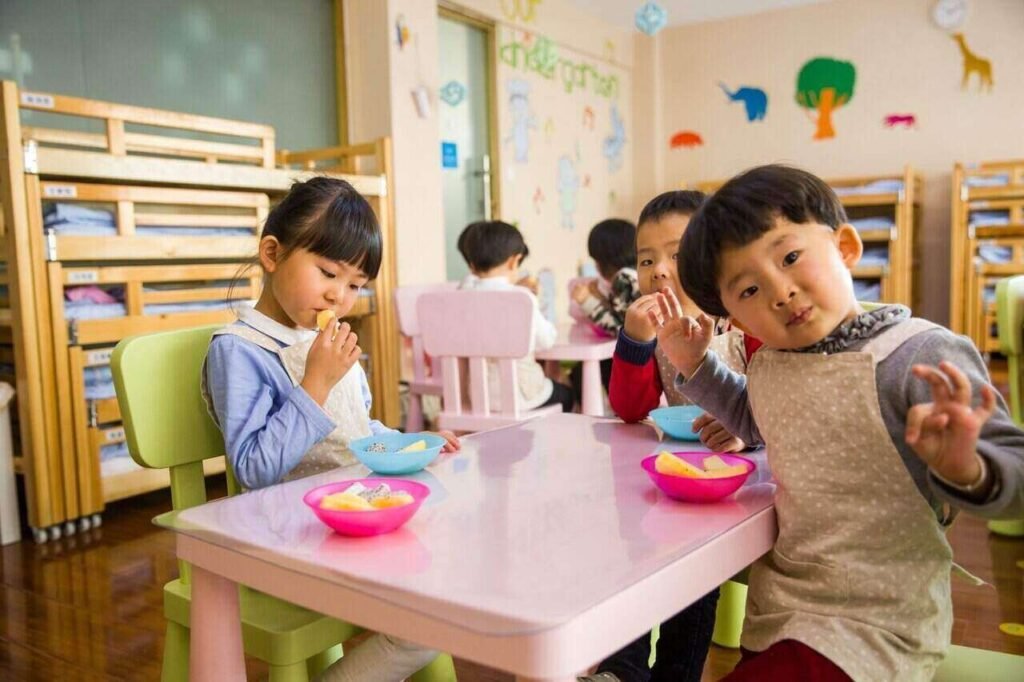
A hoikuen is a licensed childcare facility in Japan that looks after children from around 0–5 years old while parents work or study. It’s different from “just babysitting.”
Hoikuen:
- Provide structured daily routines
- Serve meals and snacks
- Offer educational and developmental activities
- Support social, emotional, and physical growth
They exist to support working families—so your employment or study situation is actually part of the application process for many public hoikuen.
Hoikuen vs. Kindergarten (Youchien)
You might hear both hoikuen (保育園) and youchien (幼稚園).
Hoikuen:
- Main purpose: Childcare for working parents
- Hours: Usually longer (e.g., 7:30–18:30, sometimes later)
- Age: 0–5
- Managed by: Local government + private operators
Youchien (kindergarten):
- Main purpose: Education and early learning
- Hours: Shorter, often ending early afternoon
- Age: 3–5
- More like “pre-school”
If both parents (or a single parent) are working full-time, hoikuen is usually the more practical choice.
Types of Hoikuen (Ninka, Ninkagai, Licensed, Unlicensed)
You’ll hear some key words:
Ninka hoikuen (認可保育園) – “Licensed” by the government
- Strict standards for space, staff, safety
- Fees often based on income (public system)
- Usually more competitive and have waiting lists
Ninkagai hoikuen (認可外保育園) – “Unlicensed” or “non-certified”
- Not necessarily bad—some are excellent
- More flexible hours or unique programs
- Often higher fees and different standards
Don’t dismiss unlicensed schools automatically. But for your first pick, most families aim for ninka hoikuen because of reliability, regulations, and cost.
Step 1 – Clarify Your Family’s Needs First
Before you fall in love with a cute building or fancy brochure, get clear on what you need.
Your Child’s Age, Personality, and Routine
Ask yourself:
- Is your child very active or more shy and sensitive?
- Do they still nap easily?
- Do they need a quieter environment or lots of open space?
A baby room (0–1) is very different from a class of 3–4-year-olds. Some hoikuen are better at baby care, others shine with older kids.
Your Work Schedule and Commute
Your working hours and commute are huge factors.
- What time do you realistically leave home?
- Can you do drop-off AND pick-up, or will another caregiver help?
- Does your company allow flexibility if the nursery calls you to pick up a sick child?
Tokyo trains at rush hour with a stroller and a sleepy toddler… not fun. Choose a hoikuen that fits real life, not your “ideal fantasy” schedule.
Language Needs (Japanese, Bilingual, or English-Support)
Some nurseries are:
- Fully Japanese
- Bilingual (Japanese + English)
- Or have staff who can communicate a bit in English or other languages
Think about:
- Do you want your child to be immersed in Japanese?
- Do you need some English support to understand newsletters, health notices, or accident reports?
You don’t need an international hoikuen for your child to thrive, but communication with teachers must be manageable for you.
Step 2 – Location, Access, and Daily Convenience
Near Home vs. Near Work – Which Is Better?
A classic Tokyo question.
Near home:
- Easier if you change jobs
- Simpler for grandparents or partner to help with pickup
- Less commuting with a small child
Near work:
- Shorter daycare hours for the child
- You are nearby in case of emergency
Most families prefer near home, especially long-term. If your job changes, you don’t want to switch hoikuen again.
Commute Time and Stroller/Train Realities
Consider:
- Are you pushing a stroller uphill daily?
- Is there space on the train at your time of commute?
- Is the route safe in winter (dark) or rainy season?
Doing a test run at the time you’d normally travel is incredibly helpful.
Weather, Hills, and Seasons in Tokyo
Tokyo has:
- Hot, humid summers
- Rainy season
- Typhoons
- Cold, dark winter mornings
That “10-minute walk” on Google Maps might feel like 30 minutes with a tired child in August. Think realistically about distance and weather.
Step 3 – Understanding the Tokyo Hoikuen Application Process
Public (Ninka) Hoikuen Application via City Ward
For public licensed nurseries, you typically:
- Apply through your ward/city office (区役所 / 市役所)
- Submit forms about:
- Your work/study hours
- Family situation
- Desired nurseries (often you list several)
Each ward has specific deadlines and forms, so always check your local city website or office directly.
Points System and Priority Criteria (Overview)
Most wards use a points-based system to decide who gets a spot.
Points can be influenced by:
- Both parents working full-time vs. part-time
- Single parent households
- Little or no help from family nearby
- Returning from maternity/parental leave by a certain date
- Siblings already enrolled in a hoikuen
You don’t need to master every formula, but you should understand roughly where your family stands in terms of priority.
Waiting Lists and Backup Plans
Tokyo is known for hoikuen shortages in some areas. That means:
- You might not get your first choice
- You may be offered a place in a different hoikuen than your top picks
- Some families accept any spot first, then apply to move later
Have backup options and be mentally prepared for Plan B or Plan C.
Step 4 – Researching and Shortlisting Nurseries
Using Ward Websites and Local Portals
Most wards have:
- Lists of all licensed hoikuen
- Maps, addresses, ages accepted
- Sometimes photos, capacity, and opening hours
Start by downloading or printing this list. Highlight the ones:
- Within comfortable distance
- Matching your needed hours
- Accepting your child’s age group
Word of Mouth, Mama Groups, and Community Chats
Join:
- Local Facebook groups for parents in Tokyo
- LINE groups or parenting communities
- International mama/papa networks
Ask real parents:
- How is communication?
- Are teachers kind and patient?
- How does the child feel about going to hoikuen?
Honest feedback is gold.
Creating a Comparison Sheet for Each Hoikuen
Make a simple comparison table with:
- Name, address
- Distance from home/work
- Opening hours
- Age range
- Outdoor space (yes/no)
- Meals provided (yes/no)
- Vibe/notes
This helps prevent everything from blending together after a few visits.
Step 5 – What to Look For on Nursery Visits
First Impressions – Atmosphere, Smell, and Cleanliness


When you walk in, ask yourself:
- Does it smell relatively fresh? (Kids are kids, but it shouldn’t be unpleasant all the time.)
- Are floors, bathrooms, and eating areas reasonably clean?
- Do you feel relaxed or tense?
Your intuition matters.
Teacher–Child Interaction and Classroom Vibes
Watch how teachers:
- Speak to children – warm and respectful or impatient and harsh?
- Handle crying – gentle comfort or ignoring?
- Organize activities – chaos or calm structure?
Happy, engaged children and calm, kind teachers are very good signs.
Outdoor Space, Safety, and Play Areas
Check:
- Is there a playground or nearby park they regularly use?
- Are gates and doors secure?
- Is equipment safe and well-maintained?
Children in Tokyo often spend a lot of time outside with their hoikuen, even in cooler weather, so outdoor arrangements are important.
Sample Questions to Ask During a Visit
You might ask:
- “What does a typical day look like?”
- “How do you handle conflicts between children?”
- “What happens if my child cries at drop-off?”
- “How do you communicate with parents (app, notebook, LINE, paper)?”
- “How do you manage naps and children who don’t sleep easily?”
Don’t be shy. Their answers show their philosophy and their attitude towards parents.
Step 6 – Checking Educational Philosophy and Daily Routine
Play-Based vs. Academic-Focused Approaches
Some hoikuen:
- Focus heavily on free play, social skills, and emotional development
- Others include more structured learning – letters, numbers, maybe even English time
Neither is “wrong.” The question is: What fits your child and your values?
Daily Schedule: Naptime, Outdoor Time, and Meals
Ask to see a sample schedule:
- What time is morning circle?
- How often do they go outside?
- When is lunch?
- How long is nap time?
If your child has a specific routine, think about how easily they’ll adapt.
Screen Time, Homework, and Extra Activities
Most hoikuen don’t rely on screens, which is great. Still, ask:
- Do they use TVs or tablets? When and why?
- For older kids, is there homework?
Extras like music, dance, or sports may be added bonuses—but don’t let “extras” distract you from core care quality.
Step 7 – Meals, Allergies, and Health Policies
School Lunch (Kyūshoku) vs. Bento from Home
Some hoikuen:
- Provide full meals cooked on-site
- Others ask parents to send bento
Check:
- Menu variety and nutrition
- How they handle picky eaters
- Whether they accommodate cultural or religious restrictions
Handling Allergies and Food Restrictions
If your child has allergies:
- Ask about separate utensils, dishes, or menus
- Check how they train staff for allergy management
- Confirm procedures in case of an allergic reaction
You need to trust them 100% on this.
Sick Policies, Fever Rules, and Medication
Typical policies:
- Child must stay home with a fever (often around 37.5–38°C or above)
- Certain illnesses need a doctor’s report to return
- Medication policies vary (some won’t administer at all, some will with forms); they don’t, in my child’s school
Understand these rules ahead of time so you can plan with your employer.
Step 8 – Teacher Qualifications, Turnover, and Ratios
Teacher–Child Ratios by Age Group (General Overview)
Licensed hoikuen in Japan follow ratio guidelines, often something like:
- 0–1 year olds: Small groups per caregiver
- 2–3 year olds: Slightly larger, but still close supervision
- 4–5 year olds: Bigger groups but more independent activities
Ask what the actual ratios are in each class.
Staff Stability and Turnover Signs
High turnover can be a warning sign.
Look for:
- Teachers who say they’ve been there many years
- A mix of senior and younger staff
- A director who seems supportive and present
If you constantly hear “We’re new” or “We just changed staff,” ask why.
Training, Licensing, and Support System
You can ask:
- “Are all teachers qualified hoikushi (certified childcare workers)?”
- “Do you offer regular training or workshops for staff?”
A nursery that invests in its teachers usually invests in its children.
Step 9 – Language Support and International Families
Communication with Non-Japanese Parents
If you’re not fluent in Japanese, communication style is key.
Ask:
- Do they send memos in simple Japanese or with furigana?
- Do any staff speak English (even a little)?
- Are they comfortable with translation apps?
Even basic flexibility can make your life much easier.
How Important Is English Support Really?
Perfect English isn’t necessary.
What’s more important is:
- Teachers who are patient with your questions
- Clear systems for emergencies
- Willingness to work with you
Your child will naturally absorb Japanese—often faster than you!
Helping Your Child Adapt to Japanese Environment
You can support your child by:
- Learning simple Japanese phrases together
- Reading picture books about daycare or starting school
- Keeping drop-off routines consistent
Kids are incredibly adaptable when they feel safe and loved.
Step 10 – Costs, Fees, and Hidden Expenses – How to Choose a Nursery (Hoikuen) in Tokyo
Basic Monthly Fees (Public vs. Private)
In many cases:
- Public ninka hoikuen fees are income-based and subsidized
- Private or unlicensed nurseries may charge flat fees and can be more expensive
Always ask for:
- A clear breakdown of monthly fees
- How fees change as your income changes
Extra Costs: Uniforms, Events, Supplies
Budget for:
- Uniforms or smocks (if required)
- Additional clothing
- Seasonal events, field trips, photo sets
- Daily supplies like tissues, diapers (if not provided), bedding covers, etc.
These “little extras” can add up over a year.
Government Subsidies and Discounts (High-Level Overview)
Japan has been expanding support for early childhood education and care. Depending on your child’s age, type of school, and household income, some fees may be reduced.
Check with:
- Your ward office
- Official childcare consultation centers
They can explain what support your family may qualify for.
Step 11 – Transition, Settling-In Period, and Separation Anxiety
Gradual Entry (Nyuuen Adaptation Period)
Many hoikuen have an adjustment period:
- Day 1: Maybe 1–2 hours with a parent present
- Day 2–3: A bit longer, sometimes without the parent
- Gradually building to full-day attendance
Ask for their settling-in schedule so you can plan your work accordingly.
Supporting Your Child Emotionally
Ways to help:
- Talk positively about hoikuen (“You’ll play with friends!”)
- Keep good-bye short, calm, and consistent
- Give them a small comfort item (if allowed)
Crying at drop-off is very common. What matters is how quickly they calm down once you leave, and how teachers support them.
How Long Does It Usually Take to Settle?
Every child is different, but many:
- Struggle for a few days or weeks
- Start feeling secure once routines feel familiar
- Often begin to run into the classroom once they attach to teachers and friends
Ask teachers how your child was during the day, not just at drop-off.
Step 12 – Red Flags to Watch Out For
Constant Staff Complaints or High Turnover
If during visits or chats with parents you hear:
- “Teachers keep leaving”
- “The atmosphere is always tense”
That’s a sign to dig deeper or reconsider.
Poor Communication or Defensive Attitude
If staff:
- Avoid your questions
- Get defensive when you ask about policies
- Don’t explain accidents clearly
That’s concerning. You need a place where communication is open and respectful.
Dirty Spaces, Unsafe Play Areas, or Unhappy Kids
Look at:
- Corners of rooms – always dusty and cluttered?
- Play equipment – broken, rusty, or clearly unsafe?
- Kids – do most look engaged and content, or withdrawn and unhappy?
One bad moment can happen anywhere, but consistent red flags are reasons to walk away.
Step 13 – How to Rank and Choose Your Final Hoikuen List
Must-Haves vs. Nice-to-Haves
Divide your criteria:
Must-haves
- Safe, clean environment
- Reasonable commute
- Suitable hours for your work
- Teachers you feel you can trust
Nice-to-haves
- Bilingual support
- Big garden
- Special programs (music, English, dance)
This helps when you have to choose between similar options.
Creating a Ranking List for Ward Application
When submitting your application, you usually list multiple hoikuen. Rank them:
- Your dream, but still realistic option
- Strong second choice
- Good but slightly further or less perfect
4–5. Backup options you would still accept
It’s a balance between aiming high and being practical.
Backup Options and Flexibility
Backup ideas:
- Temporarily using a ninkagai (unlicensed) nursery
- Short-term babysitter or family support
- Reapplying at the next application round
Remember: your first placement doesn’t have to be forever. Many families move their child later when a better spot opens.
Step 14 – Tips for Non-Japanese Speaking Parents
Using Translation Apps and Support Centers
Tools that help:
- Translation apps for written memos
- City or ward childcare support centers for consultation
- International community groups for advice and sample phrases
You’re not alone—many parents in Tokyo are in exactly the same situation.
Key Japanese Words and Phrases for Hoikuen
A few helpful terms:
- 入園 (nyūen) – Enrollment
- 退園 (taien) – Withdrawal
- 延長保育 (enchō hoiku) – Extended care
- 熱 (netsu) – Fever
- アレルギー (arerugī) – Allergy
- お迎え (omukae) – Pick-up
Even learning a little bit makes communication smoother and shows respect.
Building a Support Network in Tokyo
Try to:
- Befriend one or two other parents in your hoikuen
- Exchange LINE contacts
- Join local events
Sometimes just one experienced parent can help you navigate forms, events, and unwritten rules.
Choosing the Right Hoikuen With Confidence
Choosing a hoikuen in Tokyo is not just about “getting a spot.” It’s about finding a place where:
- Your child is safe and cared for
- Teachers are kind, stable, and trustworthy
- The daily routine fits your family’s real life
- Communication feels possible, even if your Japanese isn’t perfect
There is no such thing as a “perfect” hoikuen. But there is a place where your child can be happy, grow, and feel loved while you work or study.
Trust your research. Trust what you see during visits. And most of all, trust your instincts as a parent—you know your child better than anyone.
FAQs – How to Choose a Nursery (Hoikuen) in Tokyo
- When should I start looking for a hoikuen in Tokyo?
Ideally, start researching 6–12 months before you need childcare, especially if you’re aiming for public ninka hoikuen. Application deadlines can be several months before the start date, and popular areas may have waiting lists.
- Is it possible to get into hoikuen if I’m not working full-time yet?
It depends on your ward’s points system. Full-time work usually gets higher priority, but some wards also consider job-hunting, part-time work, or special family situations. Check with your ward office and see if there are options like “pre-approval” before returning to work.
- Are unlicensed (ninkagai) nurseries safe?
Many ninkagai nurseries are safe and high quality, but standards and oversight can differ from licensed ones. If you consider one, visit carefully, ask many questions, and check reviews or word of mouth. Some wards also provide support and partial subsidies for certain unlicensed facilities.
- What if my child cries every morning at drop-off?
It’s very common, especially in the first weeks. Focus on a calm, consistent goodbye routine and ask teachers how your child is during the rest of the day. Often, kids stop crying shortly after parents leave. If crying continues for a long time or your child seems distressed overall, talk with teachers about strategies.
- Can I change hoikuen later if I’m not happy?
Yes, many families apply again in the next round to move to a different hoikuen. However, this depends on availability and the points system. If you’re unhappy, start by discussing issues with the teachers or director. Sometimes small changes can make a big difference without needing to move schools.