

Why Finding the Right Kids’ Dentist in Tokyo Matters
In Tokyo, children’s dental care is more than just clean teeth. It’s about building trust, creating positive memories, and helping kids feel confident in a new environment and language.
Whether your child is in hoikuen, yochien, or shogakko, regular visits to a kid-friendly dentist can make a big difference in their health and their feelings about Japan.
For many families—especially bilingual or expat households—navigating Japan’s medical and dental system can feel confusing. You might worry about language, insurance, or whether the dentist will understand your child’s fears and special needs.
The good news: Tokyo has many excellent pediatric dentists, and real families consistently recommend certain types of clinics, styles of care, and neighborhoods.
How Tokyo Parents Really Choose Kids’ Dentists
When Tokyo parents talk about “the best” dentist, it’s rarely just about equipment or fancy interiors. They focus on:
- How gently the dentist talks to their child
- Whether the staff explains things in simple Japanese or English
- How easy it is to get there with a stroller or from school
- Whether they accept National Health Insurance (NHI) or social insurance
- Waiting times and how child-friendly the clinic feels
Many parents in areas like Setagaya, Meguro, and Koto-ku share information through local LINE groups, hoikuen moms’ circles, PTA chats, and international community groups. The “best” clinics tend to be the ones that kids are willing to return to without tears.
What Makes a Great Kids’ Dentist in Tokyo?
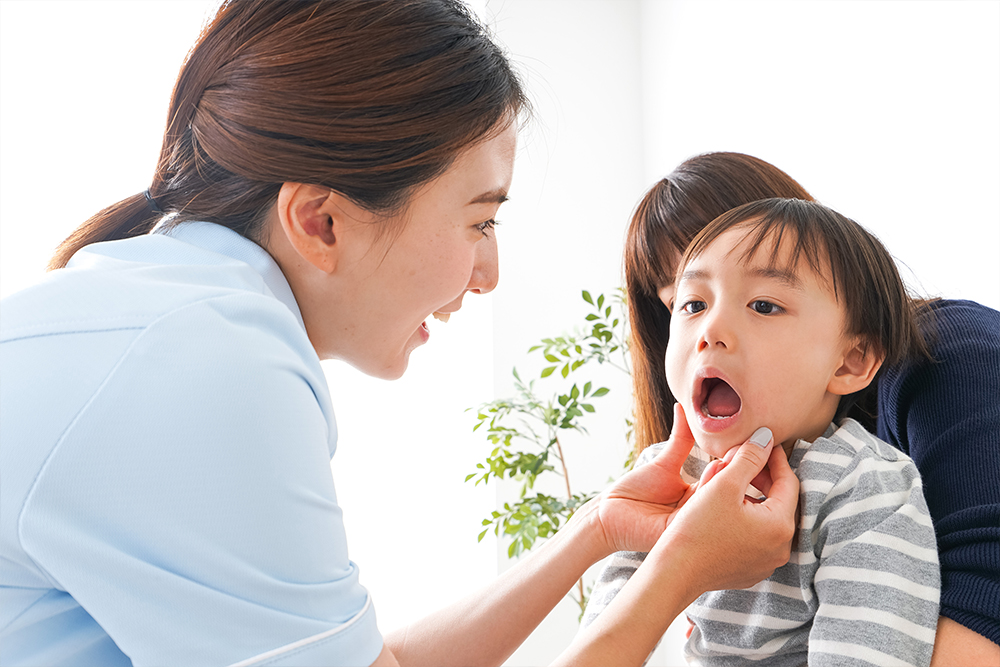
Tokyo families often use a few key criteria when they recommend a children’s dentist:
- Child-centered approach: Using age-appropriate language and taking time to build trust.
- Clear communication: Ability to explain procedures, costs, and next steps in a way parents understand (Japanese, simple Japanese, or English).
- Experience with kids: Especially with nervous children, sensory sensitivities, or special needs.
- Clinic environment: Play corner, picture books, friendly staff, clean and calm atmosphere.
- Location and access: Close to train stations like Shibuya, Kichijoji, or Oimachi, stroller-friendly elevators, and bike parking.
Parenting insight: “We changed dentists after my son’s first visit. The new clinic in Naka-Meguro had picture cards for every step: open mouth, water, air. It sounds small, but it made him feel safe.”
Popular Areas in Tokyo for Family-Friendly Dental Clinics
While there are great children’s dentists all over Tokyo, parents often mention these areas as especially family-friendly:
- Setagaya / Sangenjaya / Futako-Tamagawa: Lots of young families, easy access from Den-en-Toshi Line, and many clinics used to treating hoikuen and yochien kids.
- Meguro / Jiyugaoka: Bilingual-friendly clinics and a relaxed neighborhood feel.
- Minato-ku (Azabu, Hiroo, Roppongi): Higher number of English-speaking dentists and international families.
- Koto-ku / Toyosu / Kiba: Newer family apartments, many kids, and modern clinics close to parks and malls.
- Shinjuku / Shibuya / Ikebukuro hubs: Convenient if you commute, with clinics open later for working parents.
In many of these neighborhoods, dentists are familiar with children who attend both Japanese shogakko and international schools, and they understand the mix of Japanese and foreign family expectations.
How Real Families “Rank” Kids’ Dentists in Tokyo
Parents rarely sit down with a scoring sheet, but their informal rankings usually follow a pattern. Over and over, Tokyo families prioritize:
- Kindness and patience with kids
- Communication with parents (including English if needed)
- Convenience of location and appointment times
- Transparency about costs and treatment
- Experience with children’s teeth and habits in Japan
For example, a parent in Odaiba might choose a nearby mall clinic on weekends, while a family in Nerima chooses a small local dentist recommended by hoikuen staff. Both can be “the best” if their child leaves smiling and the parent feels heard.
Navigating the Japanese Dental System for Kids
Understanding the basics of Japanese dental care helps you feel more confident when choosing a clinic:
- Insurance: Most routine children’s treatments are covered under National Health Insurance or shakai hoken. Always bring your child’s health insurance card and boshi techo (mother–child handbook) if you have it.
- Check-ups: Tokyo schools and yochien often do annual dental checks, but these are basic screenings. Families still visit a clinic for deeper cleaning, fluoride, and cavities.
- Referrals: Hoikuen teachers and school nurses (yogo kyoyu) often know which dentists are gentle with kids and can recommend someone nearby.
Tip: When booking, you can say “Kodomo no ha no kenshin onegaishimasu” (I’d like a dental check-up for my child). If you need a dentist used to foreign families, you can ask local parents: “Gaikokujin ni慣れている歯医者さん知っていますか?” (Do you know a dentist accustomed to foreign patients?).
Choosing the Right Dentist for Your Family’s Situation
For Bilingual and Expat Families

In areas like Azabu-Juban, Hiroo, and Shinjuku, many clinics have some English support. Even if the dentist isn’t fluent, they may have English treatment sheets or simple diagrams. Some tips:
- Call ahead and ask if anyone speaks English or can use simple Japanese.
- Prepare key phrases written in Japanese, such as “He is very nervous” or “She has autism and may need more time.”
- Bring a notebook to jot down what the dentist recommends; you can translate more later at home.
For Busy Working Parents
Many Tokyo parents juggle long commutes and overtime. Dentists near major stations like Shibuya, Shinagawa, or Oimachi often have evening or Saturday hours. If your child goes to after-school care (gakudo) or an after-school club, look for clinics:
- Close to your child’s school or train line
- That allow online or LINE reservations
- With predictable waiting times
For Kids Who Are Afraid of the Dentist
Some Tokyo clinics are known locally as very “yasashii” (gentle). They might:
- Show all the tools first and let kids touch the mirror or air sprayer
- Count to three before any new sensation
- Use picture cards or animal characters to explain “We’re just brushing the monster sugar bugs.”
Parent story: “Our daughter in Kichijoji cried at our first clinic. A mom at yochien recommended another dentist. There, they spent the first visit just talking and counting teeth—no drilling. By the third visit, she was lying down calmly.”
Practical Steps to Find Your Own “Best” Kids’ Dentist in Tokyo
Step 1: Ask Local Parents and School Staff
Start with your child’s hoikuen, yochien, or shogakko. Teachers often know which dentists nearby are used to small children. You can also ask in local community groups or playgroups in places like Yoyogi Park, Komazawa Park, or Arakawa Yuen.
Step 2: Check Location and Access
Consider daily life: Will you go after school in Ikebukuro? On weekends from your home in Tachikawa? Think about:
- Nearest station and walking distance
- Elevators for strollers
- Bike parking if you cycle with a child seat
Step 3: Call and Ask a Few Simple Questions
You can ask:
- “Kodomo no shika ni慣れていますか?” (Are you used to treating children?)
- “Eigo wa少し話せますか?” (Do you speak a little English?) if needed
- “Shoshin no daitai no hiyou wa ikura desu ka?” (About how much is the first visit?)
Step 4: Treat the First Visit as a Test
Notice how the dentist and staff speak to your child, whether they explain what they’re doing, and how your child feels afterward. It’s okay to try another clinic if it doesn’t feel right. Many Tokyo families switch once or twice before finding their favorite.
Helping Your Child Feel Comfortable at the Dentist
Tokyo life is busy, and kids can feel overwhelmed by crowded trains, loud stations, and new routines. You can soften the dental experience by:
- Reading a simple picture book about dentists the night before (Japanese libraries in wards like Shinjuku or Bunkyo often have them).
- Practicing “open wide” and counting teeth at home as a game.
- Arriving a little early so your child can look around and relax.
- Bringing a small comfort item—favorite toy, small towel, or headphones if they’re sensitive to noise.
Gentle reminder: If your child cries, you haven’t failed. Many Tokyo parents share the same experience. The important thing is that you showed up, stayed calm, and let your child know they were safe.
Conclusion
The “best kids’ dentist in Tokyo” will look different for every family. For some, it’s a bilingual clinic in Minato; for others, it’s a small, friendly office near a local shotengai in Adachi.
Real Tokyo families consistently rank dentists highest when they are kind, communicative, and patient with children—and considerate of busy parents’ lives.
By understanding how the Japanese dental system works, asking for local recommendations, and paying attention to how your child feels, you can find a dentist who supports not just healthy teeth, but also a sense of safety and belonging in Tokyo.
You don’t have to get it perfect on the first try. Step by step, you and your child will discover the clinic that truly feels “best” for your family.
FAQs
How often should kids in Tokyo see a dentist?
Many Tokyo parents take their children for a check-up every 6 months, even if there are no visible problems. School and yochien checks are helpful, but they’re not as detailed as a clinic visit. Regular visits also help kids get used to the dentist so they’re less scared over time.
Are children’s dental visits in Tokyo covered by insurance?
Basic treatments for children are usually covered by National Health Insurance or social insurance, especially for check-ups, cavities, and simple procedures. Some wards also have extra support or subsidies for children’s medical costs. It’s a good idea to ask your ward office or clinic staff about what your plan covers before treatment.
Can I find an English-speaking kids’ dentist in Tokyo?
Yes. Areas with more international families, such as Minato-ku (Hiroo, Azabu), Shibuya, Shinjuku, and parts of Setagaya and Meguro, often have clinics with some English support. Availability varies by clinic, so it’s best to call ahead, ask about language support, and see if they are comfortable treating children from bilingual or expat families.